
| Section Number | Topic |
|---|---|
| 1.8.1 | Composition and Definitions |
| 1.8.2 | Co-sources of PFAS and Microplastics |
| 1.8.3 | Sampling and Analysis |
| 1.8.4 | Fate and Transport |
| 1.8.5 | Risk Assessment |
| 1.8.6 | Treatment |
| 1.8.7 | Regulatory and Guidance Considerations |
| 1.8.8 | Changing Weather Patterns |
These Priority Topics discuss the available information about the interconnections between PFAS and microplastics (MP). The unique issues around MP and PFAS (for example, heterogeneity, persistence, and toxicity concerns at low levels) warrant additional study of the potential interaction of these two groups of contaminants when they occur in the same environmental matrix. Additionally, there are significant interaction issues noted in literature on fate, transport, and bioavailability (see Section 1.8.4).
This section focuses mainly on the interactions and co-occurrence of PFAS and MP. For the detailed discussions on PFAS and MP exclusively, refer to the PFAS Technical and Regulatory Guidance Document (PFAS-1) and the Microplastics Technical and Regulatory Guidance Document (MP-1), respectively.
Information about Strategic Environmental Research and Development Program (SERDP) projects for PFAS and Microplastics can be found at https://serdp-estcp.mil/.
1.8.1 Composition and Definitions
ITRC has defined “microplastics” as particles that are greater than 1 nanometer (nm) and less than 5,000,000 nm (or 5 millimeters [mm]) in their longest dimension and consist of solid polymeric materials to which chemical additives or other substances may have been added. This definition includes microfibers (Section 1 in MP-1). Polymers that are derived in nature (for example, cellulose, amber, proteins, wool, or silk) that have not been chemically modified, other than by hydrolysis, are excluded from this definition (MP-1). This definition is similar to that developed by the State of California (CA SWRCB 2020).
Plastic particles less than 1,000 nm in their longest dimension are also referred to as nanoplastics (NP). Although the definition of NP is still being debated, it is generally accepted in scientific literature that they are produced by the fragmentation of MP (or larger particles), measure between 1 nm and 1,000 nm in length, and demonstrate a colloidal behavior. MP can be classified as primary or secondary. Primary MP are small plastic particles manufactured for a particular use. Primary MP include microbeads for use in various applications, including laboratory testing and agriculture (Bangs 1996; Ugelstad et al. 1992; Langlet et al. 2024), as well as small plastic beads, or nurdles, for use in industrial processes (Figure 1-31). Secondary MP are small plastic fragments that are created by the breakdown, degradation, or weathering of larger plastics, such as water bottles and bags (Arthur, Baker, and Bamford (eds.) 2009). This breakdown is from physical, chemical, or biological processes, or some combination of those processes.
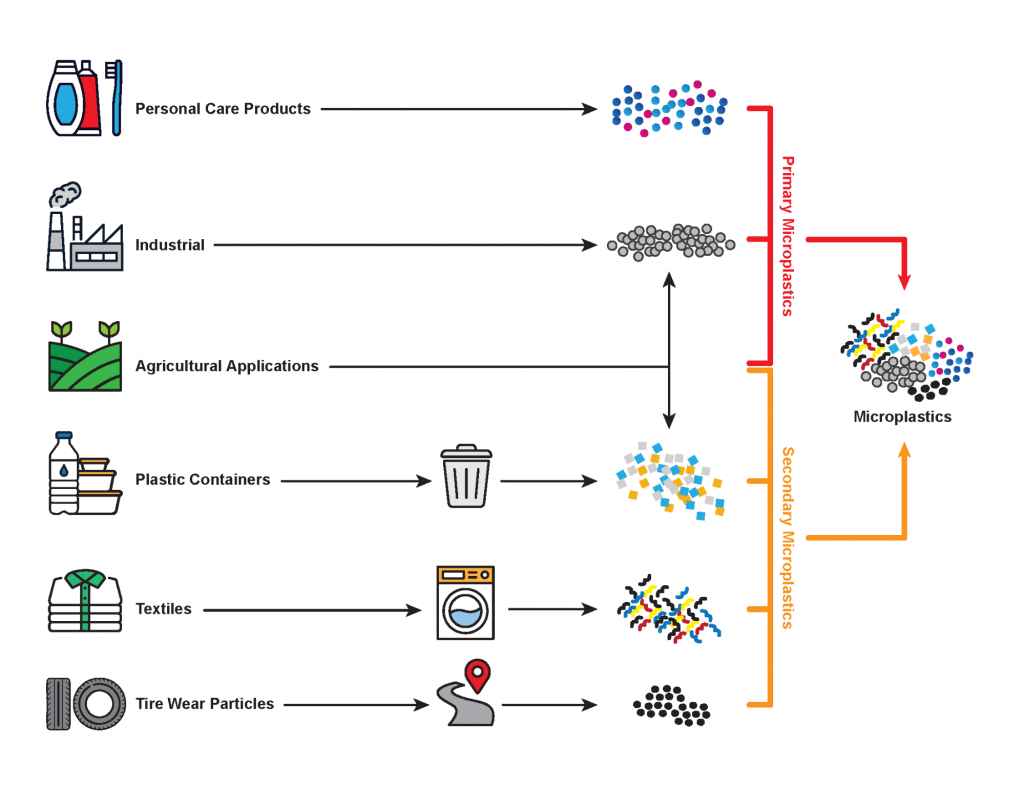
Figure 1-31. Primary and secondary microplastics.
Source: Figure 2-2. MP-1, Jonathan MacDonald.
PFAS include a wide variety of molecules with different physical and chemical properties and molecular weights with perfluoroalkyl moieties as common structural features. This variety of PFAS with diverse properties is organized in the form of a PFAS family tree (Figure 2-4) that includes two primary classes: polymers and nonpolymers. In plastic products, additives and processing agents are often added to enhance the properties of the plastics, while nonpolymer PFAS is one of the important processing aids. The nonpolymer PFAS processing aids may be found as impurities in some fluoropolymer products. More information is included in Section 2.2.2.1 in PFAS-1. Nonpolymer PFAS are most commonly detected in the environment and typically referred to simply as PFAS. Polymeric PFAS such as, fluoropolymers, side-chain fluorinated polymers, and poly- or perfluoropolyethers (Lohmann et al. 2020) can break down into MP (Cook and Steinle-Darling 2021). Some plastics are polymer PFAS (for example, polytetrafluorethylene (PTFE)), or contain nonpolymer PFAS, or both. These polymer PFAS may be primary MP or may be present as secondary MP in the environment, or both (Bergmann et al. 2017; Ebnesajjad 2013; Cook and Steinle-Darling 2021). Both PFAS and MP are families of contaminants, with thousands of different species and additives, respectively, which result in a wide range of physical and chemical properties.
1.8.2 Co-sources of PFAS and Microplastics
Plastics and PFAS are often applied in the same products to improve their stability and durability, and these products release both contaminants into the environment through their manufacturing processes, uses, and disposal (Gaines 2022, Weis and Alava 2023). Polymeric PFAS materials used in commerce (for example, personal protective equipment, outdoor equipment) that are subject to weathering and physical stress have the potential to release PFAS-containing MP to the environment (Peaslee et al. 2020; Schellenberger et al. 2022). Some food packaging materials are coated with PFAS due to its functional properties to repel oil, grease, and water (Curtzwiler et al. 2021). These food contact materials could potentially release and transfer MP and PFAS into the food chain, profoundly impacting human health and the environment (Perkins 2021; Parashar, Mahanty, and Hait 2023; Koelmans et al. 2016). Alternatively, PFAS and MP can occur in separate upstream sources, which then result in PFAS sorbing to MP that could continue to flow together through environmental systems or trophic chains (Section 2 in MP-1; Section 5.1 in PFAS-1) (Parashar, Mahanty, and Hait 2023; Koelmans et al. 2016).
Despite the co-occurrence of PFAS and MP in various systems, predicting where these contaminants will primarily be concentrated is challenging. Because both PFAS and MP are heterogeneous classes of contaminants that possess a range of physical chemical properties, the fate of both depends heavily on both the properties of the MP and PFAS, as well as the environmental system in which they are found (see also Section 1.8.4). For example, effluent from wastewater treatment plants (WWTPs) is known to be a source of MP and PFAS to ecosystems (Liu et al. 2021; Nguyen et al. 2022). At the same time, PFAS and MP are found in the sludge or biosolids generated from WWTPs (Nguyen et al. 2022; Ziajahromi et al. 2021). The removed PFAS and MP in different treatment processes of WWTPs are transported to landfills (Nguyen et al. 2022). Landfills have been demonstrated to receive MP and PFAS from WWTPs, especially in the waste solids (Prada et al. 2024; Ma et al. 2025). However, the leachate coming from these landfills can also contain both PFAS and MP that are then sent back to WWTPs or released to the environment (Rahman, Sultan, and Alam 2023; Prada et al. 2024). Furthermore, numerous products and materials containing these contaminants are improperly discarded at the end of life, allowing the release of MP and PFAS into the environment (Coffin, Reeves, and Cassidy 2023; Lohman et al. 2020).
1.8.3 Sampling and Analysis
This sampling and analysis section focuses on issues relating to the co-occurrence/co-measurement of MP and PFAS. No standard methods exist for the measurement of PFAS sorbed on MP. For sampling and analysis guidance on MP and PFAS, including methods, issues, and uncertainties, consult Section 3 in MP-1 and Section 11 in PFAS-1. Understanding the interactions around adsorption and subsequent bioavailability of PFAS from microplastics needs further research. Several issues on co-occurrence have been identified in review literature (for example, Parashar, Mahanty, and Hait 2023). Sampling and analysis issues for PFAS and MP include:
- Does PFAS to sorb to microplastics and how does that influence sampling and analysis?
- Are microplastics a source of small molecule PFAS arising either from manufacturing residuals or from side-chain PFAS polymer degradation (Li et al. 2017)?
- Do MP behave the same as natural non-MP solids during sampling and analysis on the issues of PFAS partitioning and sampling representativeness?
Studies have indicated that MP can adsorb contaminants, such as PFAS, from the surrounding environment and act as carriers of these contaminants. This can alter the bioavailability and toxicity of these substances to human health and the environment. This interaction complicates efforts to assess the overall impact of these pollutants and underscores the need for comprehensive studies and sampling and analysis guidelines to address their combined effects. As discussed in Section 1.8.2, due to the widely different physical and chemical properties of MP and PFAS, their co-occurrence measurement involves separate analyses for MP and PFAS, bringing in increased uncertainty.
One academic study by Scott et al. (2021) measured PFAS sorbed on MP; indicating the ability to successfully measure sorbed PFAS. Scott et al. (2021) also found that PFAS sorption on MP was significantly higher in the field than in laboratory studies. They wrote that this sorption was “greatly enhanced by the presence of inorganic and/or organic matter associated with these materials in the environment” (Scott et al. 2021).
In 2024, the US Environmental Protection Agency (USEPA) released a new methodology for detecting low levels of PFAS on high-density polyethylene (HDPE) plastic containers (USEPA 2024). This was developed by USEPA after learning of potential PFAS contamination for certain mosquitocide products and the fluorinated HDPE containers they were stored in (see Table 2-7 in PFAS-1). The new method can identify 32 specific PFAS directly from the container walls. This allows industries, such as pesticide manufacturers, to test containers before use, ensuring that contamination is minimized (USEPA 2024; USEPA 2024). Although this method is validated for extraction of PFAS from a bulk plastic of one kind only, it is an example of an analytical method for measurement of certain PFAS from plastics.
Side-chain fluoropolymers (especially fluorotelomer-based) where the PFAS-containing moiety is attached to the polymer backbone, rather than being part of the backbone, are known as a significant source of fluorotelomer alcohols and perfluoroalkyl carboxylates in the environment (Li et al. 2017; Lohmann and Letcher 2023). As the plastics abrade in the environment into MP, the side-chain PFAS are subject to cleavage and reaction to form PFAS such as fluorotelomer alcohols (FTOHs), perfluoroalkyl carboxylic acids (PFCAs), and sulfonamides. In addition, previously uncharacterized PFAS have also been identified and measured as arising from other types of side-chain fluoropolymers (Chu and Letcher 2017). Many gaps still exist in the sampling and analyses of these types of MP-PFAS interactions, but they have been hypothesized as a significant source of PFAS (Li et al. 2017).
1.8.4 Fate and Transport
Information sources on the fate and transport of PFAS comingled with MP are still limited in the scientific literature. The fate and transport of PFAS has been well documented (see Section 5 and Section 1.3 in PFAS-1). This section focuses on the fate and transport of MP as it relates to the potential for PFAS transport. An understanding of role of MP in the overall fate and transport of PFAS is emerging. However, the detailed science is still being investigated, which would support quantitatively explaining the role of MP in fate and transport of PFAS. Significant research is still needed to understand these relationships.
The environmental fate and transport of PFAS is strongly influenced by their physical and chemical properties. Considering that PFAS represent thousands of chemicals and their transformation products, one would expect to observe a wide range of different fate and transport behavior, which adds complexity to characterizing and quantifying their environmental fate. Research based on the understanding of a select number of well-studied PFAS, however, enables an appreciation of various factors that are important when attempting to study their environmental fate and transport (see Section 5 and Section 1.3 in PFAS-1). Characteristics of MP that are important to understand include the size, shape, density (polymer composition), and surface functionality (see Section 2 in MP-1). For example, relatively large MP (>1 mm), which have densities >1, will have higher deposition rates in both air and water as compared to 1 micron-size MP with densities around 1. Some caution is warranted, however, because these generalizations can be influenced by the environmental system properties into which MP are released. Thus, similar to PFAS, MP complexity results in significant challenges when assessing their fate and transport individually or when co-occurring with PFAS.
Until recently, the majority of MP studies focused on water column and soil environments using virgin plastic materials. By comparison, current research is focused on understanding the fate, transport, and distribution of NP and MP within water, soil, sediment, and air matrixes, and introducing real-world confounding factors such as ultraviolet (UV) and physical weathering, biofilm formation, and natural organic matter sorption along the surface and pore regions of weathered plastics. It is due to these real-world factors that MP can have a potentially increased capacity as transport vectors for contaminants, such as PFAS and metals, and pathogenic microorganisms in the environment (Wang, Guo, and Xue 2021). The role and contribution of PFAS adsorption to MP as a transport vector is complex and currently not well understood compared to other factors influencing the fate and transport of PFAS.
Salawu, Olivares, and Adeleye (2024) reported long-chain PFAS, such as perfluorooctanoic acid (PFOA) and perfluorooctane sulfonic acid (PFOS), have been observed to be the “most abundant PFAS adsorbed to MP,” referencing Cheng et al. (2021) and Navarathna et al. (2023). PFOS and PFOA, for instance, have also been observed to sorb to naturally occurring particulate and dissolved organic carbon, and in some instances electronic interactions between these chemicals and different soil minerals can be observed (see Section 5 in PFAS-1). In general, the long-chain PFAS may increase the mobility of longer polymer MP, such as PTFE, in the subsurface (Zhao et al. 2025).
Atmospheric transport and deposition of PFAS and MP result in their accumulation in aquatic systems, which is the result of direct (wet/dry deposition) and indirect (surface runoff) deposition (Kurwadkar et al. 2022; Huang et al. 2021). Although most studies have concentrated on atmospheric deposition to water and soil, recent research has shown that MP, combined with emerging contaminants such as PFAS, can be re-released into the atmosphere from marine and soil environments due to strong winds or water turbulence (Borthakur et al. 2022; Allen et al. 2022). For example, there is clear evidence of MP being deposited from land to the ocean (Ryan et al. 2023; Amelia et al. 2021). However, some evidence implies MP re-emittance in onshore winds and sea spray mist, facilitating ocean-to-atmosphere transmission (Allen et al. 2022). A 2020 study, based on a short-term pilot project (on the French Atlantic coast), provided analytical results from air samples of MP in the marine boundary layer and indicated the potential for MP, enriched with other pollutants, to be released from the marine environment into the atmosphere (Allen et al. 2020). Given that various PFAS have been reported to adsorb onto MP in aquatic environments (Bere et al. 2023; Scott et al. 2021), MP can become enriched with PFAS and potentially be reintroduced into the atmosphere from water. Some of these atmospheric transmission processes are being studied.
Section 2 in MP-1 includes information about environmental distribution, fate, and transport of MP, including degradation of plastics once released to the environment. As noted, secondary MP are generated through chemical, physical, and biological degradation of larger plastic products in the environment. The plastic degradation processes are important in determining the fate and effects of MP in environmental media. Most plastics are subjected to abiotic (for example, mechanical, thermal, and photodegradation) and biotic degradation processes involving chemical, physical, and biological reactions. Zhang et al.(2021) is a review article that summarizes literature on the degradation processes of plastics and generation of MP in the environment.
Mechanical degradation (Section 2.9.1 in MP-1) is the breakdown of plastics due to external forces. In the environment, external forces can come from the collision and abrasion of plastics with rocks and sands caused by wind and waves. Freezing and thawing of plastics in aquatic environments can also result in the mechanical degradation of polymers (Niaounakis 2015; Pal et al. 2018; Alimi et al. 2021; Acharjee et al. 2022). The wider literature suggests that the release of MP stems from thermal and mechanical degradation; as such, MP release is likely to be exacerbated if hard or sharp utensils are used with plastic and PTFE-coated cookware or these materials are heated to higher temperatures. Sobhani et al. (2020) found that MP can be generated from daily activities, such as cutting plastics using scissors or knives and tearing or twisting to open plastic containers, bags, tapes, and caps. Depending on the condition of the plastic materials’ stiffness, thickness, density, and size, Sobhani et al. (2020) reported the generation of 0.46 to 250 MP/cm. Generation of MP depends on the composition of the original plastic, its use, and where it is used. Plastic debris represents a complex issue, in that the degradation and weathering of plastic debris may represent an important source of secondary MP.
Thermal degradation (Section 2.9.1, in MP-1) refers to the breakdown of plastics due to energy input stemming from elevated temperature. Plastics can undergo thermo-oxidative reactions at high temperature. When sufficient heat is absorbed by the polymer to overcome the energy barrier, the long polymer chains can be broken, generating radicals (Pirsaheb, Hossini, and Makhdoumi 2020; Peterson and Hubbart 2021).
Photodegradation (Section 2.1.2 in MP-1) in the natural environment as facilitated by UV irradiation is a known and important pathway for plastic weathering and fragmentation. Barthelemy et al. (2024) investigated UV irradiation in addition to mechanical stress, such as sediment abrasion and water motion, on plastic fragmentation in intermittent rivers and ephemeral streams. The team determined that plastic fragmentation increases with the duration and severity of drying episodes between rainstorms. Additionally, reservoirs with long hydraulic residence times, such as the Great Lakes (Fuschi et al. 2022), and thermal stratification (Zhang et al. 2023) could play a significant role in bioaccumulation and the persistence of NP and MP.
Biotic degradation (Section 2.9.2 in MP-1) can occur in the environment through a variety of processes. Some organisms (for example, bacteria, mealworms) in soils can degrade specific polymers (Gu 2003; Yang et al. 2015). Other studies have reported physical breakdown of plastics by organisms through chewing or digestive fragmentation (Cadée 2002; Cau et al. 2020; Dawson et al. 2018; Jang et al. 2018; Mateos-Cárdenas et al. 2020; Porter, Smith, and Lewis 2019).
Fragmentation and weathering can increase the surface area, roughness, morphology, and functional groups available for sorption of chemicals to MP. Further, the formation of biofilms and adsorption of natural organic matter changes the surficial hydrophobicity of MP, potentially leading to changes in fate and transport behavior in the environment (Yu et al. 2024) and potentially leading MP to act as a sink for contaminants (Bhagwat et al. 2021). Scott et al. (2021) studied the interaction of MP and PFAS in natural lakes and in a controlled laboratory environment. The results indicated that the adsorption of PFAS by MP was increased (up to 259 times) by the presence of inorganic and organic matter from the lake water as compared to the laboratory environment. One study by Bhagwat et al. (2021) monitored the long-term aging of plastic in the marine environment. Over the course of 10 years, the team identified that mechanical and UV weathering coupled with biofouling of HDPE sleeves encasing wooden poles in an Australian oyster aquaculture farm exhibited higher concentrations of metaloids, polycyclic aromatic hydrocarbons (PAHs), and PFAS in the plastic-associated inorganic and organic matter. A second study by Bhagwat et al. (2021) determined that increased PFOS adsorption to aged microfibers (from polypropylene, polyethylene, nylon, and polyester ropes) in a marine environment was due to the higher surface area and the changed characteristics facilitated by biomass accumulation compared to the virgin samples. Shi et al. (2023) compared the adsorption for virgin and weathered MP in freshwater, using two long-chain and two short-chain PFAS and two common microcystins (a class of cyanotoxins). In contrast to the findings by Bhagwat et al. (2021) and Scott et al. (2021), Shi et al. (2023) found that “up to 50% adsorption of PFOS was observed for virgin PVC compared to 38% for weathered PVC.” Shi et al. (2023) concluded that “natural weathering of MP surfaces may decrease adsorption by introducing hydrophilic oxygen-containing functional groups, and adsorption is driven by specific polymer types and dominated by hydrophobic interactions.”
MP aging occurs in natural environments (Xiao et al. 2023), changing their physical and chemical properties through a range of processes, including mechanical degradation, photodegradation, chemical degradation, and freeze-thaw cycles, as mentioned above. Aged MP demonstrated increased capacity for heavy metal adsorption (Xie et al. 2025). Understanding the adsorption mechanisms of heavy metals onto aged MP is crucial for evaluating the interactions among MP, PFAS, and heavy metals (Xie et al. 2025).
As mentioned, MP can provide a unique substrate for microorganisms. Wang et al. (2021) studied MP that have biofilms on them and found that MP with biofilms sorb a larger concentration of organic pollutants compared to MP without biofilms. The MP that have biofilms can transport organic pollutants and attached microorganisms in the environment. MP are quickly and easily colonized by microorganisms and subsequently form biofilms that influence additional sorption by natural organic matter, metal ions, pollutants, and pathogenic bacteria. Additionally, MP facilitate bacterial antimicrobial resistance due to their higher propensity for facilitating biofilms (Gross et al. 2025). Biofilm cells attached to MP had elevated resistance to drugs, which can promote antibiotic-resistant bacteria and infections in the environment and healthcare settings (Gross et al. 2025).
Agricultural soils are a source of MP because of biosolids amendments (Yu et al. 2023). Yu et al. (2023) determined that polyester fibers affected soil physical properties differently compared to polypropylene granules because of their very different shapes. These differences may have an effect on soil physical properties at higher MP concentrations. A study by Borthakur et al. (2022) also looked at PFAS and MP in biosolids and indicated that aged MP could affect PFAS adsorption on MP.
To date, there is limited research on the distribution, fate, and transport of MP comingled with PFAS in the environment, although SERDP identified projects to investigate this topic; more information is on their website https://serdp-estcp.mil/. Similarly, little research has been done on the combination of atmospheric deposition of PFAS and MP in urban systems.
1.8.5 Risk Assessment
This section provides an overview of the available information relevant to risk assessment considerations for the co-exposure of PFAS and MP. As an overview of the knowledge related to the specific co-exposure and health effects of MP and PFAS, this section refers to detailed information for evaluating PFAS toxicity (Section 7 in PFAS-1) and the application for risk assessments (Section 9 in PFAS-1), as well as information on exposure and toxicity (Section 4 in MP-1) and risk assessment (Section 4.7 in MP-1) about MP without consideration of PFAS.
Robust information is currently lacking about the potential interactive effects of MP and PFAS on exposure and health effects for both wildlife and humans. Thus, the risk assessment science on PFAS-MP interaction is best characterized as uncertain due to the small number of available empirical studies on this topic. Although the potential for co-exposure to PFAS and MP in various media has been discussed in some recent review articles (Siddiqui 2024; Soltanighias et al. 2024; Dai et al. 2022), these articles focused on modeled or proposed interactions of these contaminant classes with limited quantitative information about co-occurring exposures to and combined toxicity from MP and PFAS. Similar to other contaminant mixtures, study design limitations for evaluating even a small number of possible mixture combinations are challenging when using historical or contemporary testing methods. This problem is compounded by the diversity of both the PFAS and MP families, and the potential varying blends of their constituents that may be occurring in different environments. As discussed in Section 7.1.5 in PFAS-1, approaches for quantitative risk assessment of PFAS mixtures alone are still limited by insufficient data, but some approaches are being investigated within the primary literature (original research articles and review studies) or as risk management strategies by regulatory or public health agencies.
From an exposure standpoint, interactions between MP and PFAS can potentially influence fate and transport in the environment (see Section 1.8.4), indicating a need to investigate the subsequent impacts on relevant exposure pathways for risk assessment. The potential for PFAS and MP to co-occur and interact within exposure media has been poorly studied and documented, creating a level of uncertainty that may drastically increase the likelihood for either over- or underestimation of exposure. Although concerns about co-occurring exposures to PFAS and MP across various media and receptors (aquatic and terrestrial wildlife, as well as humans) have been expressed (Dai et al. 2022; Siddiqui 2024; Yu et al. 2024; Kang et al. 2024), they are difficult to quantify, in part, due to the widely varying physical and chemical properties of and diversity of constituents in both groups of contaminants.
Regarding human health risk assessment or mammalian model studies (rat or mouse studies) typically used to derive human health benchmarks, toxicity information for the combined exposure to PFAS and MP is almost entirely limited to in silico estimations or secondary literature (review articles). Compared to the literature available for PFAS and MP as separate classes of contaminants, not co-exposures, almost no primary literature for epidemiological, animal, in vitro, or in silico studies exists that may be used to adequately characterize biological responses to co-exposures of PFAS and MP. With respect to human epidemiology, there is a significant lack of studies evaluating the combined effects using exposed populations; however, some efforts have been made to postulate potential effects through computer modeling (Du et al. 2023; Enyoh et al. 2023) Given the diversity of both PFAS and MP, others have suggested that the interaction of PFAS with plastic additives may affect the toxicity of certain additives on female reproduction based on computational modeling approaches to toxicity assessment (Du et al. 2023). Limited studies are available for animal models that assess the effects of specific PFAS combined with typically laboratory-grade types of MP. For example, in a single mammalian study evaluating PFAS and polystyrene MP (10 µm) , altered bioaccumulation of perfluorobutane sulfonic acid (PFBS) was reported in the liver, and associated changes in molecular markers of liver function were observed (Jiang et al. 2025). Additional studies using animal or in vitro models exist, but the differences in specific PFAS, types of MP, exposure routes, and concentrations complicate evaluation of consistent effects across the limited literature at this time (for example, O’Connor et al. 2024; Lv et al. 2025; Zhang et al. 2025; Zhou et al. 2025; Zou et al. 2025). Currently, there are no quantitative human health risk assessment methodologies for evaluating combined exposure to PFAS and MP as mixtures. There are currently no human health–based toxicity factors (for example, reference doses (RfDs) or cancer slope factors (CSFs), see Section 7 in PFAS-1) or adjustment factors for specifically evaluating co-exposures of PFAS and MP.
Similar to human health, there are no finalized toxicity factors for combined exposures to MP and PFAS of ecological receptors (aquatic and terrestrial receptors). As previously discussed, MP may pose risks due to their physical, chemical, morphological, and adsorbed contaminant properties and could influence PFAS-related exposure and subsequent risks. This creates a significant challenge for developing toxicity studies for evaluating ecological risks for a small combination of MP and PFAS, let alone the broader families for both contaminant classes that are reasonably expected to co-occur in the environment. The physically mediated adverse effects of MP are influenced primarily by their physical particle characteristics (such as particle size, shape) and behavior. Furthermore, the potential different responses (additive, antagonistic, or synergistic) to varying combinations of PFAS and MP constituents are of interest to toxicologists. For example, one combination exposure study on medaka (Japanese rice fish) embryos attributed embryotoxic effects to PFOS and not MP (polyethylene, 4–6 µm) or their interaction (Le Bihanic et al. 2020). Other studies using aquatic invertebrates (Daphnia magna) reported both additive and synergistic effects on fecundity following exposure to PFOS, PFOA, and combination with polyethylene terephthalate (38–50 µm) (Soltanighias et al. 2024). For a terrestrial receptor (earthworms), Sobhani et al. (2021) reported that polyvinyl chloride (PVC)-MP (<125 µm) enhanced the uptake, bioaccumulation, and reproductive toxicity of PFOS and PFOA. The limited number of studies across taxonomic groups and lack of studies for specific PFAS-MP mixtures all contribute to a high degree of uncertainty for characterizing or quantifying risks to ecological receptors. Currently, each class of contaminant has been evaluated separately for exposure of and risks to ecological receptors. Detailed information for these risk assessments is provided in Section 4.6 in MP-1 and Section 7.2 and Section 16 in PFAS-1.
Additional research on PFAS-MP interaction and effects to human and ecological receptors from varying blends of constituents from these classes is needed for conducting robust data-driven risk assessments for human health and ecological receptors. The current challenges for producing high-quality data across the diverse families of MP, PFAS, and their potential real-world mixtures have limited efforts to quantify both human health and ecological risk at this time.
1.8.6 Treatment
The widespread production and use of PFAS, as well as the many sources of PFAS release to the environment, have resulted in trace levels of PFAS in most environmental media worldwide. Although MP exist as particulate matter in aqueous streams at a wide range of particle sizes, PFAS are more often found in the dissolved phase. Although several technologies exist that can treat PFAS or MP in aqueous media, there is a challenge for a singular technology when the goal is to remove both sets of contaminants, which have different inherent properties. SERDP has identified projects to investigate treatment of PFAS and MP; more information is on their website https://serdp-estcp.mil/.
MP can present a favorable medium to complex with (adsorb) contaminants, including PFAS such as PFOS and FOSA, via electrostatic or hydrophobic interactions (Alimi et al. 2018; Salawu, Olivares and Adeleye 2024; O’Donovan et al. 2018). These potential interactions demonstrate the need for effective treatment solutions targeting both sets of contaminants.
The development of treatment technologies for these two groups of contaminants is rapidly evolving, but at different levels of maturity. Although treatment of PFAS has been studied more extensively (Section 12 in PFAS-1), MP treatment technologies are still being developed (Section 6.2 in MP-1). Effective treatment technologies targeting both contaminant groups have not been accomplished at full-scale, and the literature is limited on effective efforts completed at the pilot- and bench-scale. However, comprehensive literature reviews (Ali et al. 2023; Satyam and Patra 2024) regarding the challenges and remediation of MP from different media could be very useful. Considering the co-existence of MP and PFAS, co-removal advanced technologies in a treatment train approach are highly desirable to effectively remove both MP and PFAS from affected environmental matrixes. Conceptually, individual technologies exist in the developmental stage (laboratory-scale) targeting both contaminants and should be investigated further (Tang and Hadibarata 2021; Pico et al. 2022; Nasir et al. 2024).
1.8.6.1 Field-implemented Treatment Train Approaches for the Removal of Microplastics and PFAS
Water Matrixes
Conventional treatment of wastewater is relatively effective as a bulk removal mechanism for MP. Results vary depending upon the source water, size and type of MP encountered, and the methodology employed by investigators (for example, enumeration per unit volume versus mass per unit volume, size cutoff due to analytical detection methodology). Overall, conventional water treatment methods have shown favorable removal efficiencies for MP. Grit chambers, settling and clarifying mechanisms, coagulation and flocculation, dissolved air flotation, and sand or mixed media filtration have all demonstrated significant removal efficiencies (Talvite et al., 2017; Pivokonsky et al. 2018; Ali et al. 2021), although direct comparison of removal efficiencies between studies that have a different minimum size cutoff (for example, 1 µm vs 20 µm) is difficult. Currently, it is difficult to speculate on specific quantitative efficiencies and metrics, because further studies are needed. Although conventional wastewater treatment technologies are not designed for PFAS removal, if PFAS have complexed with MP, it is likely that both sets of contaminants would be removed, along with the PFAS removed by complexing with organic matter present in the wastewater. There is a significant research gap in these areas, and further conclusive studies are needed. Based on our understanding, full-scale studies demonstrating removal efficiencies for PFAS and MP have not been completed. 5). Additionally, consideration must be given to the final fate of the contaminants (see Section 1.8.2 and Section 1.8.4). If retained in the residuals from wastewater treatment (sludge or biosolids), understanding the final disposition of the residuals is important if land application is planned, to avoid re-release of contaminants to the environment. Finally, when considering the volumes of water in treatment processes and the MP remaining in treated effluent, wastewater remains a significant contributor of MP to the environment. Murphy et al. (2016) found that approximately 65 million MP particles are released post-treatment each day from a municipal wastewater treatment plant that processes approximately 7 million gallons per day. Dong et al. (2025) evaluated reported PFAS concentrations at WWTPs in California and found “more than 80% of WWTPs exhibit an increased sum of 39 PFAS [identified in the study] concentrations in the effluent, with over half of these facilities facing a significant risk of surpassing a 70 ng/L threshold for PFAS levels in wastewater.”
Removal of PFAS from aqueous solutions has been demonstrated in many studies using separation and adsorbent technologies (See Section 12 and Section 18 in PFAS-1). Nanofiltration and reverse osmosis processes have been shown to be effective for membrane applications, while granular activated carbon and single-use and regenerable anion exchange resins are effective PFAS adsorbents as demonstrated in bench-, pilot-, and full-scale evaluations (Boo et al. 2018; Johnson et al. 2019; Kempisty, Xing, and Racz 2018; Liu and Sun 2021; Ross et al. 2018; Zhang, Zhang, and Liang 2019). Novel medias such as cyclodextrin and modified organoclays have also demonstrated the ability to remove PFAS from aqueous waste streams (Kempisty, Xing, and Racz 2018; Yan et al. 2020). Similarly, when operated efficiently, these technologies would conceptually remove both PFAS and MP, but it is unclear at this time whether they will be effective. Granular activated carbon, ion exchange media, novel adsorbents, and any filterable pretreatment media will act as a filter and remove MP in addition to dissolved PFAS. Section 12.8 and Figure 12-7 in PFAS-1 discuss integrated water treatment solutions and pre-treatment technologies for PFAS treatment trains. Similar to wastewater treatment technologies, residuals management associated with backwashing and spent media should be considered to avoid reintroduction of contaminants into the environment.
By combining these proven treatment techniques of separation and filtration of conventional wastewater treatment and PFAS removal technologies, a more comprehensive approach can be deployed. The treatment train would integrate wastewater treatment technologies for removal of MP potentially combined with PFAS while the PFAS adsorbent or separation technologies would synergistically remove MP via filtration mechanisms.
Additional technologies that could be combined to form an effective treatment train are discussed in Table 6-3 in MP-1 and Section 12 in PFAS-1.
Solid Matrixes
Treatment technologies for PFAS in solid matrixes have been studied and demonstrated at full-scale (Section 12.3 in PFAS-1), whereas MP treatment technologies in solid matrixes has not been widely studied (Section 6.2.2 in MP-1). Literature for evaluating the simultaneous removal of PFAS and MP in solid media, such as soil, sediments, and biosolids, was found to be limited during writing of this section. A recent study evaluated the treatment of PFAS, MP, and pharmaceuticals and personal care products (PPCPs) present in biosolids from municipal wastewater via pyrolysis conversion into biochar (Keller et al. 2024). The study employed pyrolysis at an existing operating facility to destroy these contaminants and produce biochar as a valuable byproduct. Contaminants removal was over 99.9% for PFAS and PPCPs, and between 91% and 97% for MP. The production of biochar, which revealed no PFAS detections and less than 1.4 particles of MP per gram of biochar (less than 250 µm particle size), could constitute an economic benefit from the process of treating biosolids. However, the net benefit of converting biosolids into biochar must be compared against the net benefit of using biosolids for land application. Section 1.6.5 in PFAS-1 presents information about treatment of biosolids.
1.8.6.2 Developing Technologies for Effective Microplastic and PFAS Removal
Water Matrixes
Electrochemical Treatment
Electrochemical oxidation is a promising zero-sludge process that has been used to remove both PFAS and MP from water. The technology applies electrical potential across electrodes, creating two mechanisms for contaminant destruction. The first is the formation of hydroxyl radicals that nonselectively oxidize encountered organic species, to include PFAS and polymer bonds (Liang et al. 2022). The second mechanism involves direct oxidation of a contaminant at the anode surface. Pilot- and bench-scale efforts have demonstrated success with varying levels of effectiveness (Kiendrebeogo et al. 2021; Ning et al. 2023). Water quality characteristics such as conductivity need to be considered to understand and optimize treatment effectiveness. High conductivity may result in the formation of perchlorate, bromate, or other undesirable products, while low conductivity solutions may negatively affect kinetics and increase treatment time and costs (Radjenovic et al. 2020; Radjenovic et al. 2022).
In addition to electrochemical oxidation, other electrochemical approaches such as electrocoagulation are being explored; under this mechanism, cations produced by a metal electrode bind to the MP and coagulate them into larger particles (Ning et al. 2023). Nevertheless, full-scale application of electrochemical technologies continues to develop with no known full-scale treatment deployed specifically targeting both MP and PFAS.
Foam Fractionation
Foam fractionation systems have been designed and operated to remove PFAS from water streams (Section 12.2.3 and Section 18, in PFAS-1) and total suspended solids from water streams (Pfeiffer, Baptiste, and Wills 2024). It follows that, at least conceptually, separation of MP from water using foam fractionation might be effective. However, this has not yet been demonstrated. Dissolved air flotation, which is a separation technology conceptually similar to foam fractionation, has been tested for removal of MP from water (De Somer et al. 2024; Saczek et al. 2024; Monira and Pramanik 2025; Wang et al. 2021; Pit et al. 2025).
Solid Matrixes
Information on developing technologies for the simultaneous treatment of PFAS and MP is not available at this time. PFAS treatment technologies, such as stabilization and soil washing, for solid matrixes are mature and available (Section 12.3 in PFAS-1), whereas there are no fully demonstrated treatment technologies for MP in solid media (Section 6.2.2 in MP-1).
1.8.7 Regulatory and Guidance Considerations
Several regulations at the state, federal, and international level govern MP. Similarly, there are current and developing regulations pertaining to PFAS across these geographies. For specific information pertaining to MP regulations, see Section 5 in MP-1. For specific information about the regulatory landscape around PFAS, see Section 8 in PFAS-1.
Several regulations mention both PFAS and MP together as emerging contaminants. Although they are mentioned together, they are not evaluated or considered as to relevance or impact related to co-existence in the environment. As an example, the Clean Water and Drinking Water State Revolving Fund Provisions of the Bipartisan Infrastructure Law (USEPA 2022) provide $5B to reduce exposures to PFAS and other emerging contaminants (such as MP) from public drinking water and wastewater systems. Several states, as a result, have included both PFAS and MP similarly in their State Chemicals of Concern (CEC) programs. ITRC summarized State CEC Monitoring programs in the CEC Monitoring Programs Fact Sheet.
1.8.8 Changing Weather Patterns
There is limited information on changing weather patterns impacting environmental fate of PFAS and MP in the current literature. Changing weather patterns can impact transformation rates of PFAS and MP among the environmental media (Gander 2025; Hung et al. 2022). Transfer of PFAS from “air to surfaces, water to sediments, and ice to water [is] affected by changes in ambient temperatures … snow, rainfall, and the cryosphere” (Hung et al. 2022). Rising global temperatures influence the movement, concentration, and impact of pollutants such as PFAS and MP in water bodies and groundwater (Gander 2025). Increased temperatures remobilize persistent organic pollutants from melting sea ice into the Arctic Sea water and back to the atmosphere (Hung et al. 2022). MP and persistent organic pollutants in the melting Arctic Sea ice are released into the Arctic marine ecosystem and can potentially expose marine life and indigenous populations (Galgani, Hanke, and Maes 2015; Hung et al. 2022). The breakdown of MP into carbon dioxide (CO2) and methane (CH4) during degradation increases the release of greenhouse gases in the environment. It also disrupts the natural carbon and nitrogen cycles in the environment, leading to increased emissions of greenhouse gases (Gander 2025). In addition, MP absorb sunlight, which can contribute to the melting of snow and ice (Gander 2025). Ingestion of MP reduces phytoplankton growth and the ability of phytoplankton to absorb atmospheric carbon dioxide (Raju et al. 2021; Gander 2025).
Extreme rainfall events due to changing weather patterns increase leaching of pollutants to groundwater and surface waters and enhance deposition of pollutants in floodplains and low-lying urban areas (Gander 2025). Urban stormwater runoff can release significant amounts of MP to the receiving waters (Paterson, Miller, and Lin 2024). Monsoonal rains can increase leaching of MP from pesticides used in agricultural areas to aquifers (Gander 2025). Severe flooding can cause overflow of wastewater treatment plants and unplanned releases of contaminated water into the environment (Gander 2025). Additionally, changing weather patterns modify microbial communities and microbial degradation rates, which impact the degradation rates of persistent organic pollutants in the environment (Hung et al. 2022).
–
Updated January 2026.