
| Section Number | Topic |
|---|---|
| 1.7.1 | Introduction: Application of Biosolids to Lands Supporting Animals and Crops |
| 1.7.2 | Conceptual Site Model |
| 1.7.3 | Assessing Potential Risk from Agricultural Impacts |
| 1.7.4 | Plant Uptake |
| 1.7.5 | Uptake by Animals |
| 1.7.6 | Conclusion |
These Priority Topics are focused on per- and polyfluoroalkyl substances (PFAS) in biosolids applied to land as fertilizer and include discussion of the fate and transport, leaching, and plant and animal uptake of PFAS following biosolids application. Biosolids-related information is referenced in multiple sections of the PFAS-1 Guidance Document (https://pfas-1.itrcweb.org/) including wastewater treatment residuals as a source in Section 2.6.4. Fate and transport topics such as partitioning, leaching, and transformation are briefly discussed in Section 5. Section 5.6 discusses uptake to plants across multiple site types. Section 6.2.3 describes reported PFAS levels in land-applied soils, and biosolids. Related information is found in new Priority Topics in Section 1.4 which includes human and ecological effects information and Section 1.6.5 which discussed treatment of biosolids.
Publicly owned treatment works (POTWs) are present in communities around the world treating wastewater and generating biosolids on a continuous basis. Biosolids are produced from sewage sludge that is derived from domestic wastewater (which may include contributions from industrial sources) at POTWs or privately owned wastewater treatment plants. Biosolids do not typically include sludges derived from privately owned industrial wastewater treatment works, although those byproducts may also be licensed for land application. Land application has been a common practice since the 1970s in the United States (USEPA 1972). Although a large fraction of biosolids is land-applied, a relatively small fraction of US farmland is fertilized with biosolids (Beecher et al. 2022).
Biosolids and their connection to PFAS in soil, groundwater, crops, livestock, and other animals, and potential human health exposures, are a growing area of research, and public awareness has increased around this issue. For example, a review by Ehsan et al. (2024) highlighted biosolids as one of several significant sources of PFAS in soil and noted that accumulation in plants and uptake into ecological food chains are potential concerns and topics of ongoing research. In a study by Pepper et al. (2021), PFAS were detected in soils with historical biosolids applications, although concentrations were relatively low (up to 4.1 μg/kg for perfluorooctane sulfonic acid (PFOS)).
General media articles also reflect increased public awareness of PFAS in agricultural settings and food. For example, Kirchner (2024) reported on PFAS testing of “off the shelf” milk and discussed cases in Michigan and Maine where the source on farms was related to fields fertilized with biosolids. Regulatory programs have also acknowledged the potential impact of land application sites. The US Food and Drug Administration is evaluating PFAS in food supplies; biosolids are acknowledged as one of many pathways through which PFAS may be introduced to the food supply (USFDA 2025), along with environmental contamination (presence in water) or presence in cookware. Following the Comprehensive Environmental Response, Compensation, and Liability Act (CERCLA) designation of widely used PFAS as hazardous substances, the US Environmental Protection Agency (USEPA 2024) recognized that land application of biosolids should be excluded along with several other categories from Superfund site consideration.
The terms “sewage sludge” and “biosolids” are often used interchangeably. However, the USEPA makes a technical distinction between the two. Typically, the USEPA uses the term “biosolids” to refer to sewage sludge that has undergone sufficient treatment (for example, pathogen and vector attraction reduction) to meet the requirements outlined in USEPA 40 CFR §§ 503 “Standards for the Use or Disposal of Sewage Sludge,” and is intended for land application as a soil conditioner or fertilizer. “Sewage sludge” is generally reserved for untreated municipal wastewater residual that has a high solids content and may have undergone dewatering to increase the relative solids content and reduce residual volume. In conventional wastewater treatment, large objects and readily settleable solids (primarily inorganic) are removed during the initial screening and grit removal stages. The materials removed during screening and grit removal are typically managed separately and do not become part of the “sewage sludge” residual. In general, “sewage sludge” consists of solids removed during primary settling ( primary sludge) and solids removed during biologically mediated treatment processes that may include higher proportions of cell mass (secondary sludge). “Sewage sludge” that then undergoes treatment for land application, often with the intended beneficial use as a fertilizer, is referred to as “biosolids.” For clarity in this section the term “biosolids” will be used to refer to treated sewage sludge. the term “biosolids” will be used to refer to treated sewage sludge.
In the United States, biosolids can be divided into two primary classes based on pathogen density, as measured by the presence of indicator organisms (for example, Salmonella and fecal coliform). Class A biosolids have stricter guidelines for pathogen content, as these can be applied directly to fertilize food crops, to a lawn, or a home garden, or when biosolids are sold or given away in a bag or other container for application to the land. Class B biosolids can be used on agricultural land with specific crop and harvest restrictions. Class B biosolids are also spread on forested land, pastures for animals, and reclamation sites (Boczek et al. 2023; Beecher et al. 2022). Whereas Class A and B biosolids require distributors to meet some permitting requirements, biosolids treated to meet all the requirements in USEPA 40 CFR §§ 503.10(e), (f), and (g) are defined as Class A EQ (exceptional quality). These are typically sold or given away in consumer quantities that are exempt from land application regulations. Typical approaches for treating sludge to meet biosolids criteria do not target PFAS.
Biosolids are briefly discussed in several sections—for example, Section 2.6.4 and Section 6.2. These Priority Topics summarize the current understanding of the science of PFAS in biosolids focused on the land application end use for this material. Land application of biosolids represents a potential PFAS release mechanism to the environment, including through leaching and uptake. Up to 60% of biosolids in the United States may be going to beneficial reuse (USEPA 2025).
1.7.1 Introduction: Application of Biosolids to Lands Supporting Animals and Crops
Biosolids contain a high ratio of nutrients and organic carbon to volume, making them a desirable product for agricultural fertilizer. The application of biosolids on agricultural land as a low-cost fertilizer is a common practice. However, the presence of PFAS and other contaminants such as microplastics and pharmaceuticals and personal care products has increased the scrutiny of land application of biosolids (Xia et al. 2005; Jones-Lepp and Stevens 2007; Carsella et al. 2022; Marchuk et al. 2023). Spreading rates for agricultural sites in the United States are regulated by 40 CFR Parts 503.12, 503.13, and 503.14. These regulations outline annual pollutant (non-PFAS) loading rates that, in addition to agronomic requirements, dictate application rates. In 2012, it was reported that Western European countries land spread about 41% of biosolids produced (Kelessidis and Stasinakis, 2012). Land application rates increased through the 1980s prior to regulation (USEPA 2000). Data for 2022 indicate 56% of biosolids were land applied. In addition to land application, the United States incinerates 16% of biosolids, landfills 27%, and uses alternate methods of disposal for the remaining 1% (USEPA 2023).
Based on a survey of US states reported in April 2025 (ECOS 2025), with respect to state actions addressing PFAS in biosolids, Maine has banned land spreading of biosolids, Connecticut has banned use and sale of biosolids that contain PFAS, and several other states have or are planning to issue guidance or regulations. For example, New Hampshire requires biosolids to be sampled for PFAS before spreading with a goal of using the data to support reduction of PFAS concentrations in biosolids (ECOS 2023).
A recent survey of biosolids management globally (Saliu and Sauvé 2024) found that China produced nearly 8 million tons dry weight of biosolids annually, compared to 4.75 million tons in the United States in 2019. Other countries, including India, Japan, Vietnam, South Korea, and Germany, showed annual production of approximately 2 million tons dry weight in the survey (Saliu and Sauvé 2024). Most developed countries around the world report application of biosolids to agricultural land or composting as a primary outlet for managing organic waste. Europe overall is similar to the United States with a rate of about 50%. China land applied approximately 29%, Australia and New Zealand applied approximately 89% to lands, and some utilities in Colombia and Chile reported similar rates of 65% and 75%, respectively, for the years reported (Saliu and Sauvé 2024).
Several methods have been employed to apply biosolids on agricultural lands, reclamation sites, forested areas, and residential properties (including gardens). Low percent solid biosolids have 2%–6% dry weight and are sprayed onto the ground surface and tilled into the soil or injected into the shallow subsurface. Dewatering processes can reduce the water content to 75%–80%, creating a semisolid material that can be spread using conventional agricultural equipment (for example, manure spreaders). To reduce contact with the material, land application may be followed by mixing surface-applied biosolids into the shallow subsurface, a process known as incorporation (USEPA 2025).
1.7.2 Conceptual Site Model
The PFAS and biosolids conceptual site model (CSM) is a written and illustrative description of the potential release sites and pathways based on known environmental and site information and presents several unique aspects compared to typical CSMs. Figure 1-28 presents a general CSM for biosolids at land application sites. For typical biosolids from POTWs, PFAS can be sourced from upstream PFAS-impacted industrial, commercial, and residential wastewaters. Some of the PFAS in the wastewater impacts the generated sludge and ultimately the biosolids. Biosolids application for beneficial use in agriculture is commonly regulated, managed, and permitted at the state level. PFAS-impacted biosolids resulting from PFAS discharge to a wastewater treatment plant (WWTP) may be applied at one or a few locations or at hundreds of farm fields such that distribution can be very widespread.
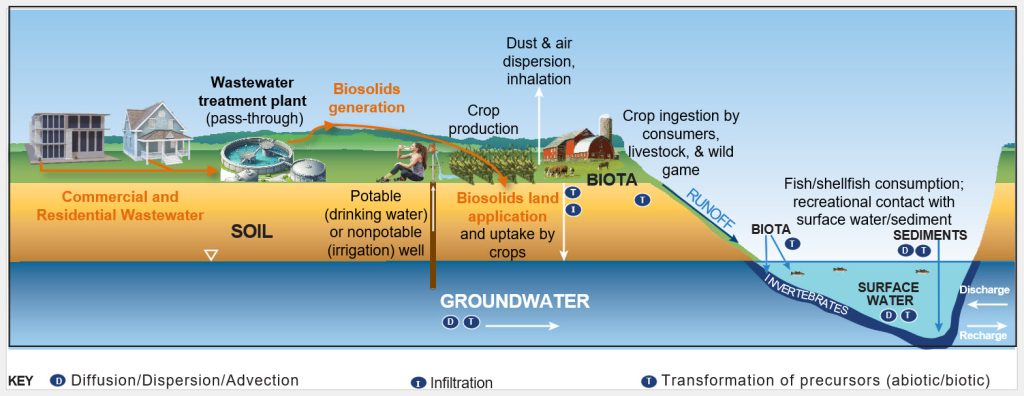
Figure 1-28. Conceptual site model at biosolids land application sites
Source: Figure created by L. Trozzolo, TRC, using Microsoft® Online 3D Models. “Bird’s eye view of a
wastewater treatment plant” image generated by Microsoft® 365 Copilot AI Chatbot,
https://copilot.cloud.microsoft/, February 14, 2025.
Used with permission.
The application of biosolids containing PFAS on farm fields can impact several types of receptors via different exposure routes:
- Drinking water wells can be impacted from PFAS leached from biosolids and transferred through the vadose zone to groundwater.
- Agricultural crops can uptake PFAS from biosolids, as discussed in Section 1.7.4.
- Livestock and wild game can ingest PFAS from biosolids through several pathways, as discussed in Section 1.7.5, including consumption of contaminated well water; consumption of silage, grass, and hay from farm fields; or in the case of poultry, from consumption of insects and invertebrates living on or in soil contaminated by biosolids.
- Surface water and sediments can be impacted by runoff and erosion, where uptake to fish or other biota may occur.
- Soil with PFAS impacts from biosolids may be ingested and dust may be inhaled.
The fate of PFAS in biosolids includes diffusion, adsorption, dispersion, and advection during migration in soil, groundwater, surface water, and sediment. PFAS may also be dispersed in air—for example, by windblown particles. Through these pathways, PFAS precursors may transform to perfluoroalkyl acids (PFAAs). Biosolids themselves are high in organic carbon and can retain PFAS, particularly longer chain PFAS and sulfonates, resulting in long, slow release and extending the natural migration and attenuation of PFAS. Biosolids application sites may also have some PFAS impacts not from biosolids, such as anthropogenic background from atmospheric deposition to soil.
1.7.2.1 Factors Influencing PFAS Mobility in Soils
PFAS mobilized from surface soil after biosolids application enter the unsaturated zone of soil above the groundwater in the vadose zone. Behavior of PFAS in the vadose zone is a major topic of interest because it has been shown that PFAS can be retained in this compartment for years to decades (Sharifan et al. 2021). This is important because retention in the vadose zone can translate to a long-term PFAS source to groundwater.
Climate/location and soil properties can influence PFAS transport in the vadose zone at biosolid application sites. Site-specific and climate-related factors, such as precipitation amount and frequency, depth to water, and infiltration rates, will affect the rate at which the system is flushed (Guo, Zeng, and Brusseau 2020; Brusseau 2020). Soil properties such as cation and anion exchange capacity, pH, carbon content, and soil texture will also affect contaminant transport through the vadose zone (Nguyen et al. 2020). See Section 5.2 for additional details. Land-applied biosolids can influence these factors and affect PFAS transport. For example, microbial weathering processes can influence decomposition of the biosolids, in turn impacting partitioning of the PFAS and enhancing degradation of precursors (Lewis et al. 2023). Biosolids treatments prior to land application may also affect PFAS transport. Sludge stabilization has been found to decrease the sorption capacity for PFAS relative to secondary sludge and differences in partitioning behavior of PFAS have been observed depending on whether the sludge is aerobically or anaerobically digested (Ebrahimi et al. 2021).
PFAS interacts with climate and soil factors based on physical-chemical interactions on a microscale. Most research in this area is on PFAAs, which are recognized to be affected by hydrophobic effects, electrostatic interactions, and interfacial behaviors, such as sorption at air-water and NAPL-water interfaces. These are discussed in detail in Section 5.2.4.1 and Section 5.2.5 and summarized in the context of biosolids sites below.
PFAAs tend to associate with the organic carbon fraction of soil, with sorption to organic carbon generally increasing with an increase in perfluorinated carbon chain length, which is also associated with increased hydrophobicity (Higgins and Luthy 2006; Guelfo and Higgins 2013; Sepulvado et al. 2011; Campos Pereira et al. 2018). Given the relatively high organic carbon content in biosolids, organic carbon partitioning is likely an important factor for considering PFAS transport and fate at biosolids sites. One study (Evich et al. 2025), (2025) of two agricultural sites with a history of sludge application found that organic matter had a greater influence on mobility of long-chain versus short-chain PFAS. PFAS concentrations in agricultural soil are also found to be correlated with soil organic matter and pH (Oviedo-Vargas et al. 2025). Studies have shown that in the context of PFAS partitioning in biosolids, protein fractions and, to a lesser extent, lipid fractions, were also important solid-specific properties to consider (Ebrahimi et al. 2021).
Another factor with potential influence on PFAS behavior in land-applied soils is the presence of microplastics (MP) in biosolids (Siddiqui 2024). Evaluation of land application sites has correlated use of biosolids with increases in MP in soil (Crossman et al. 2020; Tran et al. 2023; Adhikari et al. 2024), and PFAS are known to be associated with MP through direct degradation of fluoropolymers and through sorption and desorption processes (Lohmann et al. 2020, Salawu et al. 2024). This linkage is a topic of ongoing research and could represent an additional factor affecting fate and transport in soil. More information on PFAS and MP is included in Section 1.8.
Solid-phase and solution chemistry plays a role in affinity of PFAAs for the solid phase. Changes in pH potentially impact electrostatic processes by altering surface charges, or possibly the ionic nature of the PFAS (Nguyen et al. 2020), and higher amounts of polyvalent cations, such as calcium, iron, and magnesium, can also affect electrostatic interactions and increase sorption of PFAAs (Higgins and Luthy, 2006; McKenzie et al., 2016). See Section 5.2.3.2. Data from Evich et al. (2025), (2025) showed that electrostatic interactions at mineral surfaces exerted greater influence on short-chain PFAS sorption than on longer chain PFAS sorption, which was driven by interaction with the air-water interface and organic carbon.
Because PFAAs are surfactants, they have been shown to reside in the bulk phase and to align themselves at the interfaces between phases, such as at the air-water interface and NAPL-water interface. Air-water interfacial sorption is likely a large contributor to vadose zone retention (Sepulvado et al. 2011; Ahrens and Bundshuh 2014; Sharifan et al. 2021). As discussed in Section 4.2.7, the surfactant properties of some PFAS may result in aggregation into micelles.
Transport of PFAS through the vadose zone after surface releases is an evolving topic, and there are still many uncertainties with PFAS vadose zone retention both generally and specifically for biosolids sites. For additional details on these processes, see Section 5 and the latest vadose zone fate and transport research in Section 1.3.1.
1.7.2.2 Nature and Extent of PFAS at Land Application Sites
PFAS, including precursors, can enter the wastewater stream from numerous sources, including residential, commercial, and industrial wastewaters. Section 6.2.3 discusses the reported concentrations of PFAS found in biosolids material across different time periods and from different sources or treatment plants. The concentration variability is directly related to the source inputs at each facility. The variable biosolid concentrations in combination with application rates, years of application, and other factors all contribute to different levels of impact observed at land application sites (USEPA 2025). Research is ongoing to evaluate PFAS impacts at land application sites and to assess the extent of impacts to soil and other media.
For example, Alvarez-Ruiz et al. (2024) reported on a study from a group of fields with a 38-year history of land application, in this case from a wastewater treatment plant that serves mainly domestic sources along with a hospital, dentist, and dry cleaner. Approximately 5,700 m3 of 4%–5% solids biosolids were injected annually at the study site. The authors reported soil core concentrations across several orders of magnitude with total PFAS of 1,700 ng/g in the top 30 cm, decreasing to approximately 2 ng/g at 120 cm–150 cm. In a control field where no application occurred, the maximum total PFAS was approximately 1 ng/g. The authors discussed detections of several PFAS classes that may act as precursors, such as polyfluoroalkyl phosphoric acid diesters (diPAPs) and fluorotelomer carboxylic acids (FTCAs).
Maine Department of Environmental Protection (MEDEP) recently issued an updated summary report based on statewide sampling of private water supplies and soil at biosolids application sites, septage sites, and landfills (MEDEP 2025) and found that domestic water supplies exceeding the Maine Interim Drinking Water Standard of 20 ng/L for a sum of six PFAS were typically within 1,000 feet of those sites. The statewide study also showed that in Maine at land application sites where average total PFAS soil levels are 20 ng/g or less, the average detected total PFAS in private water supplies is below 50 ng/L, and across the state for all wells tested near land application sites, only 20% exceed the Maine Interim Standard. The data distribution for the 2,919 residential well samples collected statewide as of November 2024, in relation to all biosolids sites tested, is presented in Figure 1-29. based on concentrations in ng/L.
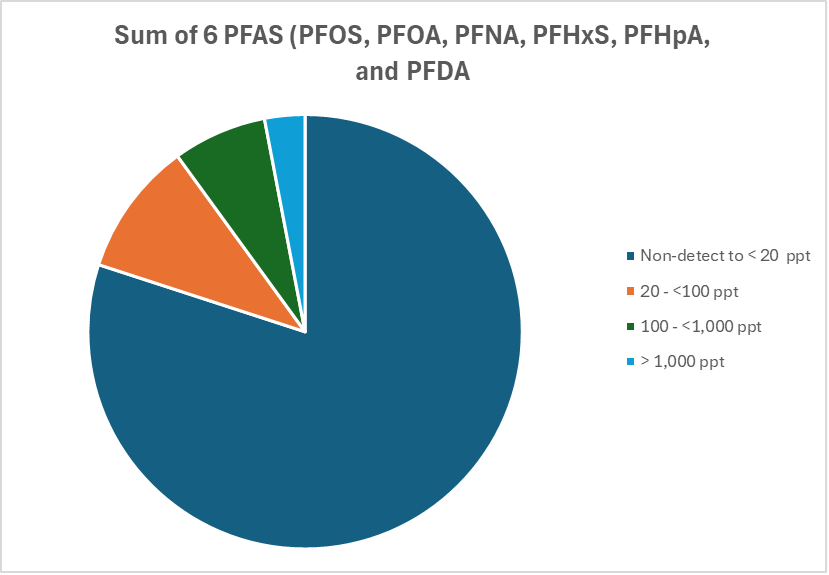
Figure 1-29. Data distribution for residential well samples near biosolids sites in Maine (concentrations in ng/L)
Source: Figure generated by Chris Evans, MEDEP, based on data from the Second Biennial Report (ME DEP 2025) , used with permission.
There are many sources of PFAS to agricultural fields, aside from biosolids, that may increase concentrations in soil and groundwater. These sources may include manure from contaminated farms, commercially available fertilizers and pesticides, contaminated irrigation well water, and rainwater deposition (see Section 2.5 and Section 2.6). Other potential sources may be windblown dust from adjacent contaminated fields (Borthakur et al. 2022) or anthropogenic background atmospheric deposition to soil (see Section 6.2.1). The relative contribution of cumulative inputs to the total mass of PFAS present in any given field will be very site-specific and dependent on the history of the site and its location relative to other sources.
PFAS tend to remain in the soil as a long-term source to other environmental media. Soil cores collected from multiple study sites show vertical migration of PFOA to depths of up to 9 m with most of the PFAS mass remaining in the top 30 cm (Johnson 2022). Ratios of long- to short-chain perfluorinated compounds decrease with depth due to the retention of longer chains in surface soils (Washington et al. 2010; Sepulvado et al. 2011; Borthakur et al. 2021). Oviedo-Vargas et al. (2025) studied 10 farms with varied biosolids application and found concentrations decreased with depth and lower concentrations were correlated with increased chain length in the deeper 15 cm–30 cm interval. Polyfluorinated precursors (for example, N-methylperfluorooctane sulfonamidoacetic acid, N-MeFOSAA) have been found in surface soils at concentrations over 60 µg/kg but are detected at lower concentrations or not at all at greater depths due to their transformation into perfluorinated compounds and greater retention in surface soils due to their differences in physical-chemical properties (Sepulvado 2011). Pepper et al. (2021) also found that PFAS concentrations declined with depth and that precursors such as N-MeFOSAA were detected in biosolids but not in soils following land application, suggesting that transformation occurred.
Extensive research has been conducted on the leaching of PFAS to groundwater (see Section 5). Although most early research focused on aqueous film-forming foam (AFFF) sites, there is increasing interest in biosolids and land application sites. Although some states have documented extensive impacts to groundwater near land application sites (ME DEP 2025), other studies have not found that leaching of PFAS to groundwater is significant (Peter and Lee 2025). Leaching of PFAS from soil will occur at higher rates in areas with shallow groundwater and high amounts of water percolating through the soil due either to precipitation or irrigation (Pepper, Kelley, and Brusseau 2023). Site-specific leaching rates can be estimated using laboratory tests (see Section 1.5.1), such as Leaching Environmental Assessment Framework (LEAF) or Synthetic Precipitation Leaching Procedure (SPLP), however, the accuracy of such test methods, which is complicated by biosolids physical and chemical properties, requires further research (Navarro et al. 2024).
Discharge to nearby surface water is also an important consideration. Peter and Lee (2025) identified PFAS in a stream hydrologically linked to a field receiving biosolids in a study in Indiana, with maximum perfluorooctanoic acid (PFOA) and PFOS concentrations of 10.8 and 3.7 ng/L, respectively. A recent study of 10 farms in Pennsylvania with 2 to 26 years of biosolids application (Oviedo-Vargas et al. 2025) found max concentrations of PFOA and PFOS in surface water of 250 ng/L and 110 ng/L, respectively. These are lower concentrations by 1–2 orders of magnitude than what has been reported where industrially impacted biosolids were used (Lindstrom et al. 2011) but highlight that leaching or runoff to surface water is an important factor for PFAS migration at these sites.
1.7.2.3 Potential New Classes of PFAS in Biosolids that May Require Non-targeted Analysis
Occurrence data for PFAS in biosolids, including PFAAs and select precursors, are provided in Section 6.2.3.
Multiple studies have shown that standard PFAS target analyte lists are not reporting the full extent of PFAS present in wastewater or biosolids. Analytical techniques may include non-targeted analysis (NTA), which can be used to identify PFAS beyond those included in the conventional analyte list, and various “total PFAS” analytical methods (see Section 11.2 and Section 11.4.3 for additional information on NTA instrumentation and procedures). NTAs have identified primary classes of precursors that comprise significant fractions of PFAS in biosolids, including diPAPs, perfluorophosphonic acids (PFPAs), and various classes of cationic and zwitterionic precursors. Of these, 6:2 diPAP (Figure 1-30) has been the predominant PFAS detected in biosolids in multiple studies (Thompson et al. 2023; Schaefer et al. 2023; Lazcano et al. 2019), and diPAPs have been identified as potential perfluoroalkyl carboxylic acids (PFCA) precursors when applied under field conditions (Lämmer et al. 2022). Alternative non-targeted methods that have estimated total PFAS also suggest that unidentified precursors tend to account for much of the PFAS presence in biosolids. Associated studies are summarized below. Conventional sampling of biosolids or associated land-applied soils, for example, as conducted under regulatory requirements, would typically be limited to the analyte list included in USEPA Method 1633A (or similar methods) and may not include these non-targeted analytes. See Section 2.2 for more information about PFAS chemistry and Section 11.2 for more information about analytical methods.

Figure 1-30. 6:2 polyfluoroalkyl phosphoric acid diester (6:2 diPAP).
A 2023 study (Thompson et al. 2023) evaluated PFAS content at eight facilities in untreated sewage sludge samples and in biosolids after treatment for pathogen removal . Treatment methods included composting, anaerobic digestion, lime treatment, and heat treatment (90°C–120°C). The sum of PFAS concentrations ranged from 182 μg/kg to 1,650 μg/kg. Of detected PFAS, diPAPs were the predominant compounds, comprising an average of 54% ± 15% of total detected PFAS. PFAAs accounted for a relatively small fraction of the total PFAS detected; prior to treatment for pathogen removal, precursors comprised 82% ± 11% of total detected PFAS. Pathogen treatments had varying impact on the PFAS composition. Most treatments resulted in substantial increases in short-chain PFCAs while impacts of treatment on long-chain PFCAs and PFSAs were variable and were generally minor compared to variations in other compounds. Interestingly, concentrations of diPAPs increased following heat treatment. A primary source of diPAPs in wastewater, and associated biosolids, has been identified as toilet paper (Thompson et al. 2023).
Schaeffer et al. (2023) analyzed PFAS content in wastewater influent/effluent and biosolids at 38 treatment plants; targeted PFAS analysis was supplemented with the total oxidizable precursor (TOP) assay and NTA. TOP assay results indicated that unidentified precursors comprised 21%–88% of total fluorine. NTA identified several classes of precursors present in waste streams. Predominant among these precursors, PFPAs and diPAPs were detected in 100% and 92% of biosolids samples, respectively.
Multiple studies have evaluated fluorine nuclear magnetic resonance (19F-NMR) as a useful tool for evaluating total PFAS (for example, Camdzic et al. (2023); Lewis et al. 2023; and Gauthier and Mabury 2023). Camdzic et al. (2023) evaluated 19F-NMR as an alternative method for quantifying total PFAS in wastewater. In this study, 19F-NMR was compared to TOP assay and liquid chromatography with high resolution mass spectrometry (LC-HRMS). 19F-NMR detected 63% and 65% more PFAS than TOP assay and LC-HRMS, respectively, suggesting that TOP assay and LC-HRMS techniques may underreport total PFAS. Furthermore, 19F-NMR was able to identify ultrashort-chain PFAS (ultrashort PFAS), such as trifluoroacetic acid (TFA), that might not be included in conventional target PFAS analytical methods. Limitations for 19F-NMR include higher detection limits and difficulty in resolving complex PFAS mixtures. Lewis et al. 2023 used 19F-NMR to screen sorbent materials for PFAS uptake. Gauthier and Mabury (2023) measured 19F-NMR spectra for hundreds of PFAS and used the resulting data to evaluate the total PFAS presence in an environmental sample from a site impacted with AFFF and published the resulting 19F-NMR spectra database for use in other projects.
Lazcano et al. (2019) used liquid chromatography–quadrupole time-of-flight (LC-QToF) to evaluate precursor content in biosolids after conventional treatment processes—including heating, composting, blending, and thermal hydrolysis—were applied to remove pathogens and select organic constituents. In this analysis, diPAPs were the most commonly detected precursors, detected in all samples. Fluorotelomer sulfonates and carboxylates (FTSAs and FTCAs, respectively) were also detected. Of the treatment methods evaluated for pathogen removal, heat treatment and composting had the greatest effect on transformation of precursors into PFAAs.
As an additional consideration, fluorinated pharmaceuticals are frequently present in wastewater streams and may complicate evaluation of total PFAS. In particular, extractable organic fluorine (EOF) data are often represented as “total PFAS” but may also include fluorinated pharmaceuticals. Ruyle et al. (2025) evaluated wastewater influent and effluent from eight US POTWs and found that PFAA and PFAA precursors estimated from the TOP assay accounted for only 24%–37% of EOF, whereas mono- and polyfluorinated pharmaceuticals made up 62%–75% of EOF. Polyfluorinated pharmaceuticals containing -CF3- or -CF2- moieties accounted for the majority of EOF (53%–58%). In terms of utility, the study suggested that EOF is useful as a screening tool for organofluorine presence, although total PFAS did not correlate well with EOF results. Spaan et al. (2023) found fluorinated pharmaceuticals to account for approximately 22% of identified compounds in EOF, compared to approximately 5% for PFAA and PFAA precursors, in WWTP sludge from Sweden. Fluorinated pharmaceuticals may or may not be considered PFAS, depending on the definition used for PFAS. The definition distinction may have implications in terms of future considerations for regulating PFAS as a class, but PFAS measured using targeted analysis were present in all waste streams (Ruyle et al. 2025). At this time, data gaps associated with fluorinated pharmaceuticals include toxicology and ecotoxicology for the complex chemical mixtures, as well as their behavior in the environment once land-applied on farmland.
1.7.2.4 Assessment of PFAS at Land Application Sites
When assessing PFAS related to biosolids land application, it is critical to understand the history of the site, rates of application, area licensed, and inputs to wastewater treatment that may have changed over time, affecting both concentrations and types of PFAS. Gewurtz et al. (2024) evaluated the concentration trends and fate of 42 PFAS compounds throughout the treatment processes (influent, effluent, and biosolids) of multiple wastewater treatment plants in Canada. Results of this study indicated widespread presence of both short- and long-chain PFAS. Highest PFAS concentrations were generally detected in WWTPs receiving landfill leachate. Except for PFOS, concentrations of long-chain PFCAs decreased over approximately a decade in influent, effluent, and biosolids, coincident with the phaseout of certain PFAS in industrial production, whereas short-chain PFCA concentrations increased over time in influent and effluent (although not in biosolids, where they were infrequently detected), reflecting increased industrial use of replacement compounds. PFAS patterns in biosolids generally differed from the patterns observed in influent and effluent samples, which may be from enhanced sorption to solids in the sludge material. In biosolids samples, long-chain PFCAs, PFOS, long-chain precursors, and intermediate transformation products were detected the most frequently, in over 60% of samples, while PFOS, perfluorobutanoic acid (PFBA), and 5:3 FTCA (a short-chain precursor) were detected at the highest concentrations. Across WWTPs, higher PFAS concentrations were generally observed for facilities using anaerobic and aerobic sludge digestion; Gewurtz et al. (2024) postulated that this difference may be due to precursor transformation as well as a reduction of volatile solids in sludge, which further concentrates PFAS.
To assess whether PFAS in soil at a land application site is a potential risk to drinking water or farm operation, an accurate characterization of PFAS concentrations in soil is required. Heterogeneity is a significant concern when characterizing soils in an area of land application, particularly where there is a long history with multiple amendments or applications from different sources, or a variety of crops grown across the property. Heterogeneity of source material and site soil conditions contributes to field heterogeneity. Variable application rates based on the nutrient requirements of different crops are also a potential factor across different fields where the same fertilizer source is in use. For example, corn requires higher fertilizer inputs than pasture or other crops, such as wheat or oats (USDA 2023; Ketterings and Workman 2022), so those fields may have higher associated levels of PFAS based on the higher fertilizer application rates. Studies of nitrogen, potassium, and phosphorus distribution show that concentration variation within fields may be 4x to 10x despite an agricultural goal of uniform concentrations (Fu et al. 2013; Mancini et al. 2024). Fu et al. (2013) also discussed the influence of pastured animal behavior and field access points on land application of manures or fertilizers.
Research into nutrient variability conducted to improve optimization of fertilization needs also provides insight into potential underlying variability of PFAS related to land application. Marcaida et al. (2025) documented spatial variability of pH, phosphorus, and potassium in corn fields based on grid-based soil data. They found that grid cell density impacted interpreted spatial distribution of the parameters tested and subsequent fertilization recommendations. Virk et al. (2024) completed a similar study illustrating the influence of grid size selection of 1-, 2.5-, 5-, 7.5-, and 10-acre cells on evaluations of field variation of pH, phosphorus, and potassium. An earlier study (Cambardella and Karlen 1999) used grid-based sampling to assess variations in soil nutrient parameters, including pH and total organic carbon, in an “organic” field fertilized in part with biosolids and a field farmed with conventional practices. Cambardella and Karlen (1999) concluded that greater variability in the organic field suggested that a smaller grid cell size was required to assess fertilization needs, and soil cores showed variation with depth from 0 to 30 cm at each grid cell. Data showed, for example, that organic carbon decreased from about 51 g/kg to 33 g/kg on average across the field. Based on the potential relationship of PFAS sorption to pH, organic carbon, and other soil parameters (as in Section 1.7.2.1), as well as potential variations related to heterogeneous distribution of biosolids when applied, the findings indicate that design of sample plans for PFAS in these settings should consider these factors.
Assessment of risk to groundwater or from uptake to crops or animals at land application sites is often based on a risk evaluation of a relatively large area with inherent variability as described above. Incremental sampling methodology (ISM) is one way to assess potential heterogeneity and limit its effects when collecting soil data from sites where the objective is to determine a representative value for that area or decision unit. These methods are detailed in multiple sources, including USEPA (2019), ITRC (2020), and Clausen, Georgian and Bednar (2013).
At least three states—Hawai‘i, Maine, and Michigan—are currently implementing either full or partial ISM or ISM-like field management protocols for projects that involve evaluation of PFAS impacts to field areas. These states have either modified standard ISM or ISM-like sampling protocols to account for PFAS-specific heterogeneity concerns or are using ISM-based sampling protocols to obtain sampling results more representative of the populations than grab or simple composite sampling techniques.
Hawai‘i’s Hazard Evaluation and Emergency Response Office Technical Guidance Manual, which specifies the use of multi-increment sampling, has been updated to include PFAS as a Contaminant of Potential Concern (HI DOH 2024). The Technical Guidance Manual Table H-1 lists PFAS as an example of Highly Leachable, Non-Volatile Contaminants. The Technical Guidance Manual has added USEPA Region 4 Operating Procedure LSASDPROC-205-R4 “Field Equipment Cleaning and Decontamination,” which includes a note stating, “Equipment utilized for PFAS sampling will not be cleaned in the field” (USEPA 2020; HI DOH 2024). Michigan’s Department of Environment, Great Lakes, and Energy (EGLE) reports the routine use of multi-increment sampling for PFAS investigations, including those specifically for biosolids. Michigan EGLE has posted a number for field reports presenting the results of the ISM sampling (MI EGLE 2021). MI EGLE (2021) evaluated ISM and composite sampling as part of their site investigations. Their current ISM approach is summarized in MI EGLE (2024). As of September 2025, Maine had not published their methods or findings for public review.
USEPA has not formally released guidance for ISM and PFAS, and there are potential concerns related to laboratory processing of samples. The Department of Defense (DoD) recently released a white paper listing several concerns with application of ISM to PFAS sites in general, primarily focused on the sample preparation and handling at the laboratory (DoD EDQW 2025). Details related to specific concerns about using ISM, particularly if attempting to strictly follow USEPA Method 1633A for testing and USEPA Method 8330B for laboratory sample processing, are included in Section 1.5.5. Additional work is needed to validate this approach for PFAS and land application sites, and project teams need to carefully consider the site data quality objectives and goals of the work.
1.7.2.5 Treatment Options for PFAS in Biosolids
Research is ongoing to develop treatment options for biosolids prior to disposal or land application. Other studies are evaluating technologies to eliminate PFAS prior to biosolids production, via treatment of wastewater prior to generation of sewage sludge or industrial pretreatment prior to discharge to a WWTP. The Michigan EGLE Industrial Pretreatment Program PFAS Initiative reduced PFAS in treated wastewater discharge and biosolids by requiring certain POTWs to identify industrial sources that generated wastewater with PFAS concentrations exceeding screening criteria (11 or 12 ng/L for PFOS). For industrial sources required to mitigate PFAS, mitigation measured included application of pretreatment (typically using granular activated carbon [GAC]), PFAS-containing source removal, leak mitigation, or reducing the volume of landfill leachate accepted. Concentrations of PFOS were reduced in all nine plants that required pretreatment, and reductions were greater than 90% in seven of nine treatment plants (MI EGLE 2020). Additional research is ongoing into remediation or treatment of agricultural soils impacted by PFAS from historic land application and associated leaching to groundwater and plant and animal uptake at those sites. See Section 1.6.5 for information on these studies.
One side effect of some potential treatment options is that the nutrient value of the resulting material may no longer be desirable as fertilizer, which will affect distribution of treated biosolids or could affect continued agricultural or forestry use of treated land. For example, thermal or chemical treatments may negatively affect soil fertility in an agricultural site (Sanchez-Hernandez et al. 2024).
Studies have evaluated treatment options to reduce PFAS mobility or bioavailability in soils with land-applied biosolids. For example, Holly et al. (2024) conducted column studies evaluating PFAS leaching from land-applied biosolids and the effects on leaching from amending biosolids with biochar. Results indicated that leachate from all treatments contained measurable PFAS concentrations, and biochar amendments reduced leaching potential of PFAS, with greatest impact noted for long-chain PFAS. Additional details are provided in Section 1.6.5.
1.7.3 Assessing Potential Risk from Agricultural Impacts
Due to widespread use of PFAS in industrial manufacturing and consumer products and their ability to pass through conventional wastewater treatment processes and partition to the solid fraction, elevated concentrations of diverse PFAS have been widely identified in biosolids, generating concern for the environmental and human health risks associated with land application on agricultural fields and potential for uptake into plants and animal products consumed by humans (see the conceptual site model, Figure 1-28). In January 2025, USEPA released a draft risk assessment for PFOA and PFOS in biosolids (USEPA 2025). This document summarized a screening-level assessment and a refined risk assessment focused on people living on or close to land application or surface disposal sites, who almost exclusively consume food and animal products and drinking water from land where biosolids were applied. This draft risk assessment does not reflect risk for the public, which has diverse food sources, and does not consider cumulative exposure from multiple pathways or other sources.
The draft risk assessment quantitatively estimates potential human exposure and risk to PFOS and PFOA under four modeled scenarios: 1) farm scenario with pasture-raised livestock, 2) farm scenario growing fruits and vegetables, 3) land reclamation scenario for restoring grazed pastureland, and 4) surface disposal site scenario. A series of modeling approaches was conducted including farms with one application of biosolids at a rate of 10 dry metric tons per hectare over 40 consecutive years of application at this rate. Preliminary findings (USEPA 2025) of the refined model, which calculated risk under median or central tendency conditions, suggest there may be human health risks exceeding USEPA’s acceptable thresholds for scenarios where land-applied biosolids contained 1 part per billion (ppb) of PFOA or PFOS, which is considered on the low end of measured U.S. biosolid concentrations, near current detection limits. This initial evaluation showed risk for all pathways assessed, including consumption of water, milk, crops, and meat products such as beef and chicken eggs. The draft risk calculations are not considered to be conservative estimates because they model only risks associated with biosolids containing 1 ppb of PFOA or PFOS, reflect median exposure conditions, do not include other exposure sources of PFOA or PFOS, and do not account for the combined risk of PFOA and PFOS together or exposures from PFOA and PFOS precursors. See the draft risk assessment document (USEPA 2025) for complete details on modeling approaches and risk calculations.
The document highlights the importance of site-specific factors such as hydrogeology, climate, agronomic practices, and human behavioral patterns and their impacts on potential risks. USEPA (2025) is planning the next National Sewage Sludge Survey to collect PFAS data from sewage sludge at 200–300 treatment plants nationwide, in conjunction with a POTW influent study to assess wastewater inputs. This information will help inform assessment of current biosolids inputs to the modeled scenarios (USEPA 2025). The conceptual site model (Figure 1-28) illustrates the potential pathways of concern related to PFAS and biosolids when applied to the land. The following sections summarize in further detail the uptake of PFAS to plants and animals and the modeling that may help predict when there is a risk from that uptake.
1.7.4 Plant Uptake
The research on PFAS interactions with plants is extensive, exploring a range of topics including uptake from various types of soils and covering a variety of herbaceous plant species as well as trees. Some key issues of interest regarding plant uptake of PFAS include the need to understand whether the nature and magnitude of uptake from biosolids-amended soils is different from that of nonamended soils, and whether there is a difference in accumulation between crops that are grown in biosolids-amended soils for consumption by livestock (for example, silage, hay, forage) versus crops grown for human consumption (for example, fruits, produce). A key metric used to estimate uptake and accumulation by plants is the bioconcentration factor (BCF), sometimes referred to as the bioaccumulation factor (BAF) or transfer factor (TF), which is defined as the PFAS concentration in plant (mass/mass), in dry weight or wet weight, divided by the PFAS concentration in soil (mass/mass), in dry weight. It is important to be aware how these units are expressed for plants and soils when reporting and using uptake factors.
Uptake of PFAS from different types of soils into both agricultural and nonagricultural plants is summarized in Section 5.6 and Table 5-2. It includes general studies on uptake from soils in PFAS-contaminated sites and greenhouse studies, as well as studies that are more focused on sewage-amended and biosolids-amended agricultural soils, the latter of which is relevant to this topic. The Draft Sewage Sludge Risk Assessment for PFOA and PFOS released by USEPA in January 2025 includes a review of available data on crops grown in biosolids-amended soils and observed differences in uptake factors reported in greenhouse studies versus field studies (USEPA 2025). The USEPA review and the ITRC summary (Table 5-2) note some important factors and apparent trends in BCFs to consider when evaluating plant uptake of PFAS from biosolids-amended soils and in agricultural settings. The bioconcentration of PFAS from biosolids-amended soils depends strongly on the physical-chemical properties and concentrations of PFAS, the soil properties, and species and physiology of the plants, as outlined below.
1.7.4.1 Reported BCFs for Plant Uptake
Most studies that report BCFs for plants focus on uptake of the terminal PFAA, which generally show increasing accumulation in plant tissues with a decrease in perfluorinated carbon chain length (see Section 5.6.2). Few studies have investigated uptake and biotransformation of precursor PFAS in plant tissues. It should be noted that interpretation of BCFs for PFAA may be influenced by the presence of diverse mixtures of precursor PFAS in biosolids-amended soils that can undergo degradation via microbial activity in the soil or within the plant-specific root exudates or other plant compartments (Wen et al. 2018; Wen et al. 2021; Bizkarguenaga et al. 2016).
PFAS uptake and accumulation is typically greater in the vegetative portions of plants (foliage, stems, roots), than in the reproductive parts (seeds, fruits). Plant uptake may also be impacted by aftermath growth with mixed evidence of potential high uptake of PFAS in subsequent cuttings of plants such as grass (Stahl et al. 2009). A study conducted by the state of Maine showed that cuttings of plants such as grass and hay had higher uptake of PFOS in the secondary cuttings compared to the initial growth season (Simones et al. 2024). The BCFs selected in the draft USEPA review (2025) for PFOS and PFOA (Table 13 in that document) fall within a range of 0.07–1.3 for selected crop types, classified as forage, fruit, root vegetables, silage, and aboveground vegetables. The majority of the BCF values for 14 different PFAS compounds, as compiled in the ITRC summary (Table 5-2), fall within a range of 0.1–10, and vary with chain length, species, and study methodology. USEPA also provides a modeling approach for estimating crop concentrations of PFOS and PFOA in produce and feed, based on estimated soil concentration within the tilling depth, plant type-specific BCFs, and plant tissue-specific moisture adjustment factors.
1.7.4.2 Influence of PFAS Properties
PFAS with lower chain lengths and higher solubilities can enter the soil solution and tend to have greater uptake potential in plants. Short-chain compounds tend to accumulate at higher concentrations in leafy vegetables and fruits, whereas long-chain compounds tend to accumulate more in roots. Several studies have found that PFCAs accumulate at higher rates than PFSAs. Shilling Costello and Lee (2020) found that precursors and other emerging classes of PFAS may represent important long-term sources when retained in rhizomes or root zones. They summarized several studies where precursors were present in soil while intermediate and terminal degradation products were concentrated in shoots or roots. The authors also noted that potted plant and field studies often yield different BCFs in part based on factors related to air-water interface and degree of saturation in those settings. For more information about how PFAS properties influence their fate and transport, see Section 5.
1.7.4.3 Effects of Treatment Plant Processes on PFAS Uptake
Broadbent et al. (2023) evaluated potential use of drinking water treatment residuals (DWTRs) as biosolids amendments that could reduce the rate of PFAS uptake in plants (phytoavailability) grown on biosolids-amended soils. DWTRs are byproducts of drinking water treatment using coagulants that are typically rich in calcium (calcium hydroxides), iron (iron sulfates or chlorides), or aluminum (aluminum hydroxides); these substances are currently used to immobilize excess nutrients and other contaminants and have been found in other studies to sorb PFAS and reduce their mobility in the environment (for example, Hearon et al. 2022). Broadbent et al. (2023) conducted phytoavailability studies for an agricultural scenario (tomato plants grown on biosolids) and a mine reclamation scenario (ryegrass grown in soil amended with biosolids), using Class A biosolids containing a variety of PFAS and three different DWTRs. This study found that most of the PFAS detected in biosolids were not found in plant tissue; only three PFCAs (PFBA, perfluoropentanoic acid (PFPeA), and perfluorohexane sulfonic acid (PFHxA)) were detected in all plant samples, with PFBA found at the highest concentrations. Tomato plants also were found to contain PFOA in almost all samples and generally had PFAS concentrations approximately 2–4 times higher than those in ryegrass. The authors concluded that aluminum- and iron-based DWTRs did not significantly reduce overall PFAS uptake under either scenario (except for reduced PFBA uptake in ryegrass treated with iron-based DWTR), although these results may have been influenced by relatively high concentrations of aluminum and iron and low concentrations of organic matter in the biosolids used in their experiments. Calcium-based DWTRs, however, significantly reduced the accumulation of PFBA in ryegrass and PFHxA in tomatoes, although the authors postulated that this may have been a result of pH modification.
Biochar-based sorbents may also be effective at reducing availability of PFAS. Openiyi et al. (2024) applied aluminum chlorohydrate DWTR and biochar to biosolids-amended soil columns, finding that PFAS concentrations in soil leachate from both residuals-treated soils were substantially reduced compared to untreated soils. These findings suggested that sorbents may reduce PFAS mobility and thus bioavailability.
Research evaluating the links between the processes employed by POTWs to reduce pathogens and subsequent bioavailability of PFAS following land application of biosolids is ongoing and additional work is needed to fully assess this topic.
1.7.4.4 Influence of Soil Properties
Beyond the physical and chemical properties of PFAS, environmental factors such as soil properties also play a crucial role in the uptake process by plants (Shilling Costello and Lee 2020). Research has highlighted the influence of soil organic carbon, pH, and cation types and concentrations on PFAS sorption (Mei et al. 2021; Li et al. 2018; Campos Pereira et al. 2018). Although organic carbon generally enhances the sorption of organic contaminants in soil, its effect on PFAS can vary depending on the soil type. Higher soil pH typically reduces PFAS sorption, thereby increasing their mobility and bioavailability, though the presence of cations can complicate this relationship. Inorganic anions such as phosphate may also reduce PFAS sorption by competing for binding sites in the soil.
Nitrogen-rich amendments also may alter PFAS bioaccumulation characteristics. Adu et al. (2025) showed that uptake of PFOA, hexafluoropropylene oxide dimer acid (HFPO-DA), and 6:2 chlorinated polyfluoroalkyl ether sulfonate (6:2 Cl-PFESA) in hydroponically grown lettuce was enhanced through addition of nitrogen fertilizers, including ammonium sulfate and potassium nitrate. Wu et al. (2023) demonstrated enhanced PFAS bioavailability through addition of ammonium ion to soil. This study also showed that nitrogen amendments in soils containing PFAS resulted in a decrease in the diversity and stability of soil microbial communities. Additional research is needed to further elucidate the effects of inorganic anionic and cationic constituents.
Unique mechanisms such as PFAS retention at the air-water interface in unsaturated soils further add complexity to their transport and bioavailability (Lyu et al. 2018; Brusseau et al. 2019). When PFAS have low sorption to soil, they remain more mobile in soil water. This increased mobility raises the PFAS concentration in the soil solution, making them more bioavailable and thus more accessible for uptake by plant roots. Conversely, strong sorption between soil particles and PFAS limits the amount of PFAS in the soil water, decreasing their bioavailability and subsequently reducing the amount that plants can take up. The abovementioned environmental conditions indirectly control the amount of PFAS that remains in the soil solution versus being bound to soil particles, shaping the extent to which PFAS can enter plant systems.
Greenhouse studies of potted plants with biosolids-amended soils have often reported higher BCFs than field studies (Blaine et al. 2013). Uptake of PFAS in produce plants was also greater when grown in fields that were situated near industrial sources (potentially due to air deposition or irrigation water) (Bao et al. 2020). In general, higher PFAS concentrations in soil are correlated with higher PFAS concentrations in plants; however, the increase in concentrations may not be directly proportional. Soil organic matter has been found to sequester PFAS and limit plant uptake in some studies reviewed. However, other studies note that in field studies at locations where biosolids had been applied, there does not appear to be a significant or consistent correlation between PFOA and PFOS uptake factors and soil concentration, pH, organic matter content, or cation exchange capacity (Simones et al. 2024). More detailed discussion of these findings and trends for PFOS and PFOA is presented in the USEPA draft risk assessment (USEPA 2025). The ITRC summary compilation and review (Table 5-2) presents information for multiple PFAS and include both edible and nonedible plant species.
1.7.4.5 Plant Response to PFAS Exposure
In general, plant uptake from soil includes both the process of initial uptake into the roots and subsequent translocation to and accumulation in varying portions of the plant. Unlike conventional neutral organic chemicals and ionic compounds, PFAS exhibit a greater range of anionic and both lipophilic and hydrophilic behaviors (Mei et al. 2021). Studies have indicated that the uptake of PFAS in plant tissues is influenced by the physicochemical properties of the PFAS, especially the carbon chain length and functional groups, while the accumulation may be influenced by plant morphological traits such as internal organization and functioning of the root and shoot systems (Lesmeister et al. 2021; Ghisi et al. 2019; Adu et al. 2023; Wang et al. 2020; Mei et al. 2021). For instance, PFAS with longer carbon chains tend to accumulate in the roots with limited movement to the upper parts of the plant, whereas those with shorter carbon chains are more likely to translocate and accumulate in the shoots. Additionally, plants generally take up more PFCAs compared to perfluorosulfonic acids (PFSAs), when the carbon chain length is the same (Ghisi et al. 2019). The water-soluble fraction of PFAS in soil is negatively related to PFAS carbon chain length and log Kow values, while it positively correlates with PFAS levels in plant shoots and total plant biomass (Zhang et al. 2021).
When exposed to PFAS, plants undergo growth stress and exhibit a range of responses. At the cellular and metabolic level, research has shown that PFAS exposure can cause considerable impact, including structural changes in root cell organelles and disruptions to cell walls, especially with prolonged exposure (Li et al. 2020). This physiological impact weakens the plant’s resilience to environmental stresses by hindering the production of new proteins. PFAS exposure has also been linked to changes in membrane permeability in plant cells, which can impair cellular function (Lin et al. 2020). Additionally, PFAS can affect photosynthetic pigments, with the effects differing among plant species (Lan et al. 2018; Li et al. 2020; Chen et al. 2020). PFAS exposure may also trigger the production of reactive oxygen species such as hydrogen peroxide and superoxide anions, resulting in oxidative stress (Lin et al. 2020; Yang et al. 2015; Li et al. 2021; Li et al. 2021) To mitigate this stress, plants upregulate enzymatic antioxidants, such as superoxide dismutase, catalase, and peroxidase. However, when PFAS concentrations are high, these defense mechanisms can be overwhelmed, leading to decreased antioxidant production and increased plant toxicity due to disrupted nutrient uptake (Qu et al. 2010; Fan et al. 2020; Li et al. 2020; Li et al. 2020).
On a molecular level, PFAS can influence the expression of genes associated with stress responses and metabolic pathways (Li et al. 2020; Fan et al. 2020). Additionally, PFAS exposure can cause imbalances in primary and secondary metabolites in plants (Li et al. 2020). These molecular changes highlight the substantial impact of PFAS on plant physiology and biochemistry, revealing a complex interaction between PFAS and plant health, with effects that vary across different plant species.
1.7.4.6 Mechanistic Studies of Plant Uptake of PFAS
The mechanistic study on PFAS uptake by plants conducted by Wen et al. (2013) identified that protein carriers in maize roots, likely involving aquaporins (protein-based water channels in root cells) and anion channels, play a role in the uptake process of PFOA and PFOS. Further research by the same authors explored the relationship between PFOA/PFOS accumulation and the protein and lipid content in the roots of seven plant species (Wen et al. 2016). Their findings indicated that root proteins facilitate while lipids inhibit the uptake of PFOA and PFOS.
Zhang et al. (2019) later discovered that the uptake of PFAAs with a carbon chain length between 2 and 8 in wheat is primarily an energy-dependent active process mediated by carrier proteins, including aquaporins and anion channels. However, at higher concentrations in hydroponic systems (3 mg/L), ultrashort PFCAs (such as trifluoroacetic acid (TFA) and perfluoropropionic acid (PFPrA)) were transported into wheat cells passively, without the involvement of carriers. They also suggested that competition for uptake might occur among PFAS compounds that share the same transport carriers. Once PFAAs enter the wheat xylem (vascular tissue), they are distributed throughout the plant via the transpiration stream.
A similar uptake mechanism was proposed by Wang et al. (2020) for the Asian water plantain (Alisma orientale), where PFOA and PFOS are initially taken up by the root cell wall. A portion of these compounds can actively pass through the cell wall and plasmalemma, likely facilitated by aquaporins and anion channels. A variety of pathways in both living (symplastic) and nonliving (apoplastic) plant tissues contribute to PFAS translocation.
1.7.4.7 Modeling Plant Uptake of PFAS
Researchers are increasingly turning to machine learning (ML) tools to predict the uptake and accumulation of PFAS in plants (Adu et al. 2024; Xiang et al. 2023; Song et al. 2023; Bagheri et al. 2020). By leveraging data from previous studies on plant uptake, these efforts have shown that key uptake indices—such as root concentration factor, shoot concentration factor, BAF, and translocation factor—can be accurately predicted. These predictions are based on a range of input variables, including plant species, plant root protein content), PFAS functional groups, PFAS molecular weight, pKa value of PFAS, log Kow of PFAS, PFAS exposure concentration, exposure duration, soil organic carbon content, pH, soil texture, and soil cation exchange capacity.
1.7.5 Uptake by Animals
There is an abundance of information indicating that certain PFAS (such as PFOS) bioaccumulate in fish, birds, and mammals (for example, Houde et al. 2011; Giesy and Kannan 2001; Guckert et al. 2023). The use of biosolids for land application has the potential to contaminate crops and cover crops with PFAS due to uptake into plants (Blaine et al. 2013; Blaine et al. 2014; Costello and Lee 2020; Felizeter et al. 2021; Knight et al. 2021; Yoo et al. 2011) (see Section 1.7.4), and leach from the land-applied soil into groundwater and surface waters (see Section 5.3.3). This in turn can lead to uptake into terrestrial organisms, including livestock and game animals that graze on contaminated farmland and ingest contaminated plants grown as forage or feedstock or contaminated water that leaches from the soil (Brake et al. 2023; Death et al. 2021; Mikkonen et al. 2023; Simones et al. 2024; van Asselt et al. 2013). The primary exposure pathways through which livestock may be exposed to PFAS from biosolid sources include diet, drinking water ingestion, and incidental ingestion of soil (see Section 1.4.7). Aquatic organisms such as fish may also be exposed to this contamination source due to soil leaching, runoff, or erosion into nearby surface waters (see Section 5.5).
Few studies have investigated uptake of PFAS into livestock and game animals exposed to biosolid-impacted farm fields (Death et al. 2021; Kowalczyk et al. 2012), with some studies showing that PFAS accumulates in chickens, eggs, and other protein sources at levels that could potentially be significant with respect to human exposure (Wilson et al. 2020; Lasters et al. 2022, Mikkonen et al. 2023; van Asselt et al. 2013) (see Section 9.1.2). The Maine Department of Environmental Protection (ME DEP) has been investigating PFAS in farmlands in the state where sludge and septage have been applied, finding PFAS in water, soil, hay, and milk (ME DEP 2023). Testing of deer and turkey meat from areas in Maine with fields that had PFAS-impacted biosolids applied resulted in “Do Not Eat” advisories for deer and wild turkey (ME DIFW 2023). In Michigan, PFOS-containing biosolids that were applied to fields at a cattle farm resulted in PFOS detected in beef samples at levels warranting a human consumption advisory (MI DHHS 2023). Other states are just beginning to investigate impacts on livestock from biosolid sources. For additional detail on the toxicological effects of PFAS on animals see Section 1.4.
1.7.5.1 Modeling PFAS Uptake to Livestock at Land Application Sites
Farms impacted by PFAS, whether through contamination in soil in fields used to grow crops for animal feed, in purchased feed, or drinking water, face the challenge of PFAS moving into the food products they produce (Death et al. 2021). Models that relate PFAS levels in soil, feed, or water to potential levels in a farm’s product, such as beef, pork, cow’s milk, or chicken eggs, are instrumental to risk assessors, farmers, and agencies assisting farms dealing with PFAS. Models that accurately estimate PFAS levels in livestock animal tissue following exposure and subsequent decline in PFAS levels if exposure ceases can provide useful information on when a product may have reduced PFAS levels, what fields or water sources a farm may want to avoid using, or can assist in cropping decisions to decrease PFAS levels in feed.
Several research groups have now developed such models to estimate PFAS levels in livestock. These models generally focus on PFOS, perfluorohexane sulfonic acid (PFHxS), and PFOA and are available for dairy cows, beef cattle, swine, and chicken eggs. Mikkonen et al. (2023) developed a dynamic exposure population toxicokinetic model for beef cattle focused on estimating PFOS and PFHxS in serum, liver, and muscle tissue. This dynamic model accounts for varying PFAS exposure levels from feed, water, and soil over the lifespan of a beef cow. Based on a one-compartment toxicokinetic model, daily PFAS intake from water, feed, and soil is translated into PFAS levels in serum, liver, and muscle. A benefit of this dynamic modeling approach is the estimation of PFAS tissue levels resulting from varying PFAS exposure due to seasonal feeding patterns and changes in feed or water sources. Chou et al. (2023) developed a physiologically based pharmacokinetic (PBPK) model to estimate PFOS, PFHxS, and PFOA levels in beef cattle or milk from dairy cows. Given a soil or water PFAS concentration, the PBPK model estimates PFOS, PFHxS, and PFOA levels in liver, kidney, and muscle of exposed beef cattle and in dairy cows’ liver, kidney, muscle, and milk. This model estimates the number of days required following exposure cessation (a withdrawal interval) for a PFAS tissue level to be below a prespecified level, such as an action level or maximum contaminant level. Chou et al. (2023) provided their model as a web-based tool (Lin 2023) for estimating this withdrawal interval for a given exposure in beef cattle or dairy cows.
The German Federal Institute for Risk Assessment also developed a web-based tool for estimating PFAS tissue levels from contaminated feed or water in beef cattle, dairy cows, pigs, and chicken eggs. This web-based Contaminant Transfer Predictor, or ConTrans tool, models PFOS and PFHxS levels in beef cattle blood, liver, and muscle, and for dairy cow’s blood, liver, muscle, and milk. The modeling for beef cattle and dairy cows in the ConTrans tool is largely based on the dynamic model developed by Mikkonen et al. (2023). For swine the tool provides estimates for seven individual PFAS (PFBS, PFHxS, PFHpS, PFOS, PFHxA, PFHpA, and PFOA) in blood, fat, liver, kidney, and muscle tissue based on the swine exposure model developed by Numata et al. (2014) and Siemen et al. (2017). For chicken eggs, the tool provides estimated levels of PFBS, PFHxS, PFOS, PFHxA, PFOA, and perfluorononanoic (PFNA) in eggs with specified levels in feed. The chicken egg estimations are based on studies of PFAS exposure from contaminated feed (Kowalczyk et al. 2020) or drinking water (Wilson et al. 2021). Although these models in their development have used measured PFAS data in tissues, such as milk, beef, and serum, at impacted farms for validation and confirmation of their model estimates, application of the various models at farms with known PFAS exposures with comparisons to tissue biomonitoring data will be useful in assessing their accuracy and predictive power.
For more standard risk assessment practice in developing soil or water screening levels for livestock, exposure pathway equations from the USEPA Preliminary Remediation Goals for Radionuclides (PRGR) or Human Health Risk Assessment Protocol for Hazardous Waste Combustion Facilities can be modified and implemented using PFAS-specific parameters (USEPA 2005; USEPA 2024). The general model with these equations is consistent daily exposure under assumed steady state conditions to relate PFAS levels in soil or water to levels in an animal tissue, such as beef muscle, cow’s milk, or chicken eggs. For example, the Maine Center for Disease Control and Prevention (Maine CDC 2020) modified PRGR equations for soil screening levels for a soil-to-cow’s-milk pathway to derive a soil screening level for PFOS (Maine CDC 2020). These types of models are useful for setting screening levels to determine whether more investigation at a farm may be warranted and when a farm product may need to be tested for PFAS.
1.7.6 Conclusion
As described in these Priority Topics and referenced sections in the PFAS-1 Document, biosolids represent an important potential PFAS source consideration due to the large volumes generated daily at wastewater treatment plants around the world. PFAS in biosolids present major challenges to municipalities that are generating biosolids but are passive receivers of upstream sources of PFAS. The widespread land application of biosolids as fertilizer may represent a risk from factors such as subsequent PFAS leaching to groundwater, uptake to crops used for food or animal feed, and resulting accumulation in terrestrial and aquatic organisms. The strong retention and slow leaching of PFAS in vadose zone soils means that historical sources from decades-old practices can impact human health and environment in the present day.
Many factors influence PFAS leaching, transport, and uptake, including site-specific geology and hydrogeology, PFAS concentrations, presence of precursors and non-targeted PFAS, and the frequency and rates of land application. Ongoing research into fate and transport of PFAS in agricultural settings, rates of uptake into crops and both wild game and domestic animals consumed for food, and continuing efforts to reduce PFAS concentrations in the wastewater stream will be important considerations when evaluating whether biosolids warrant attention on a site-specific basis.
–
Updated January 2026.